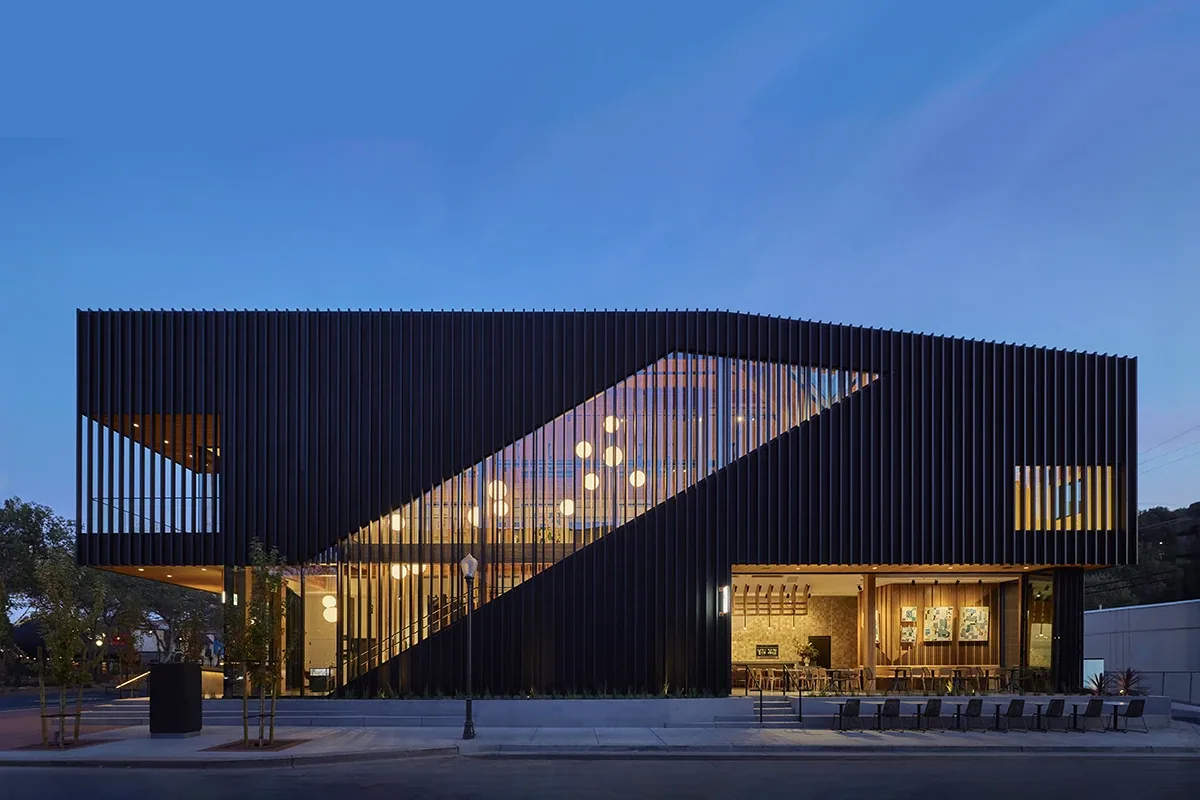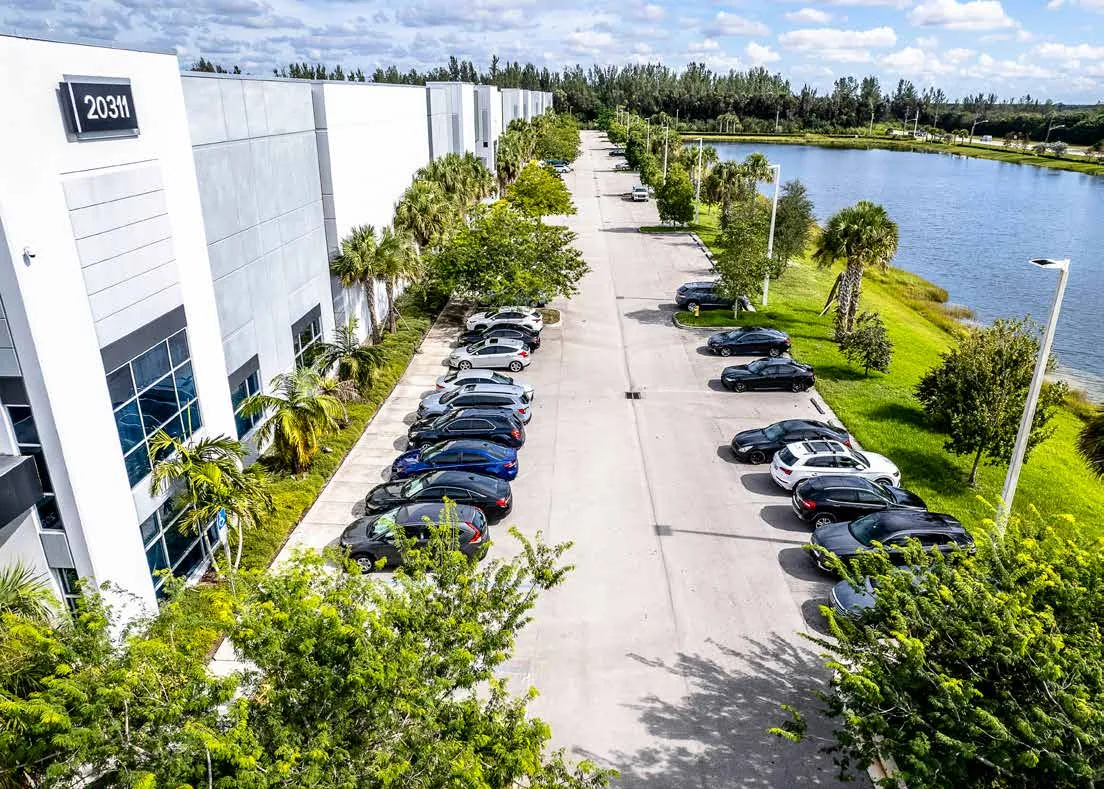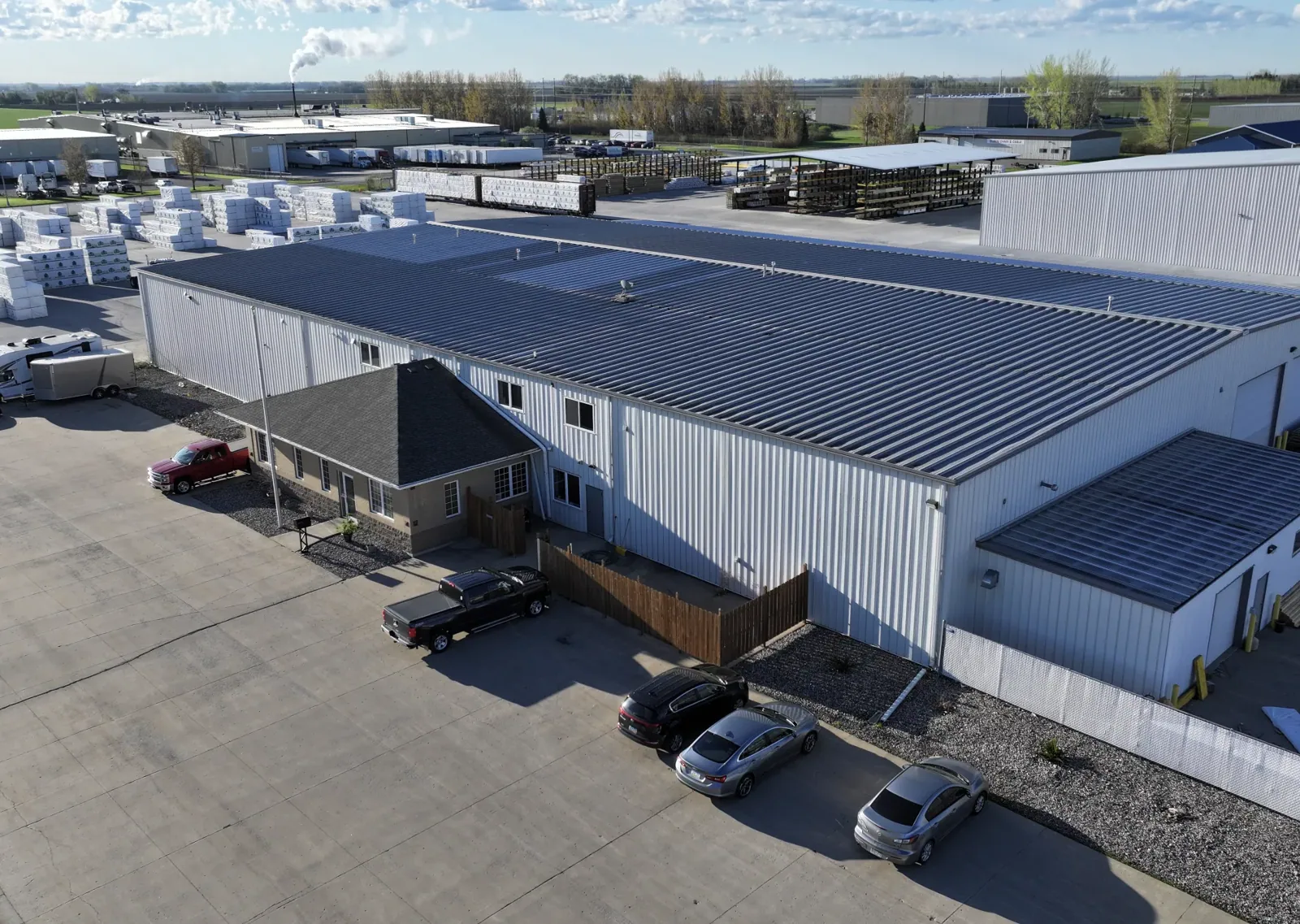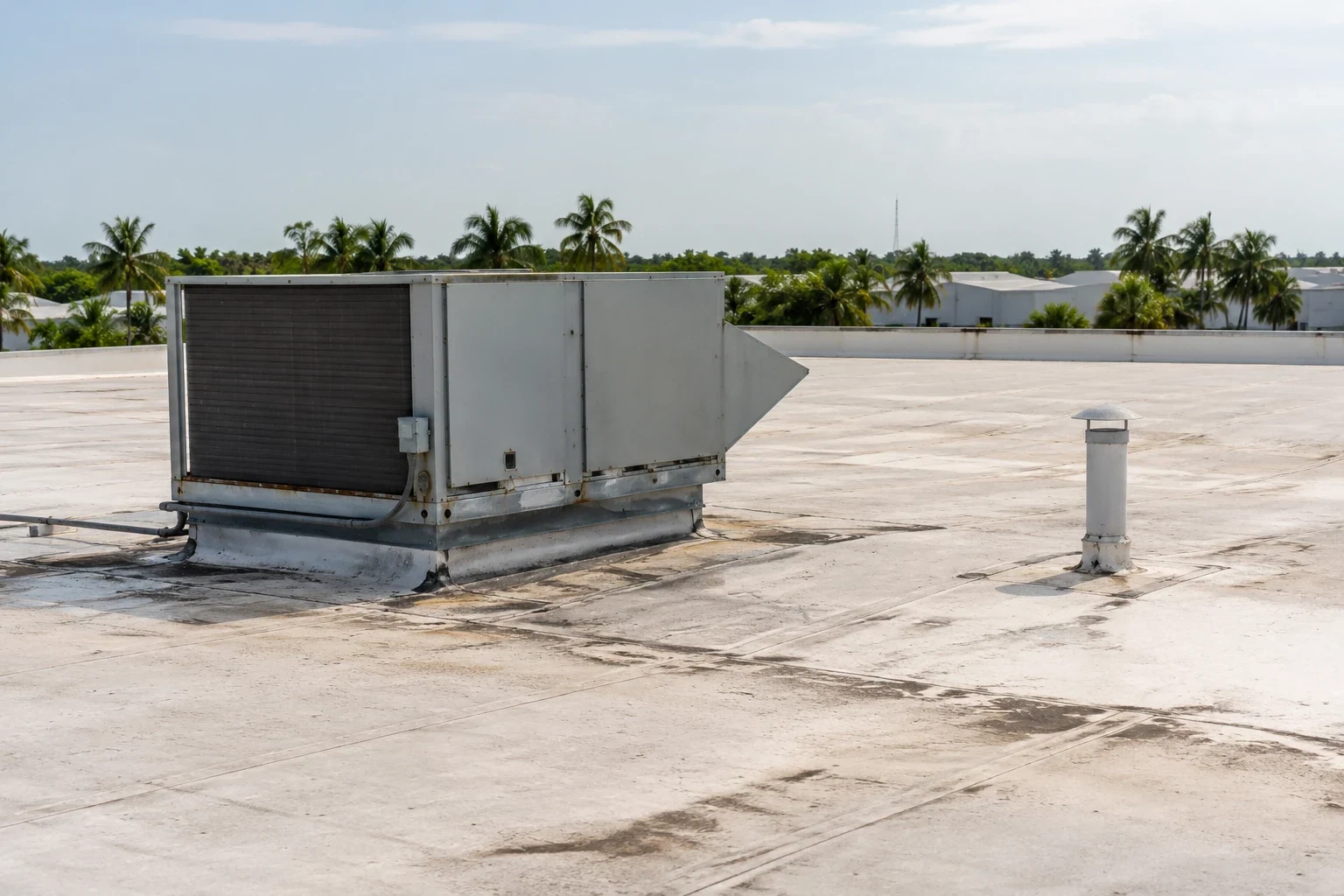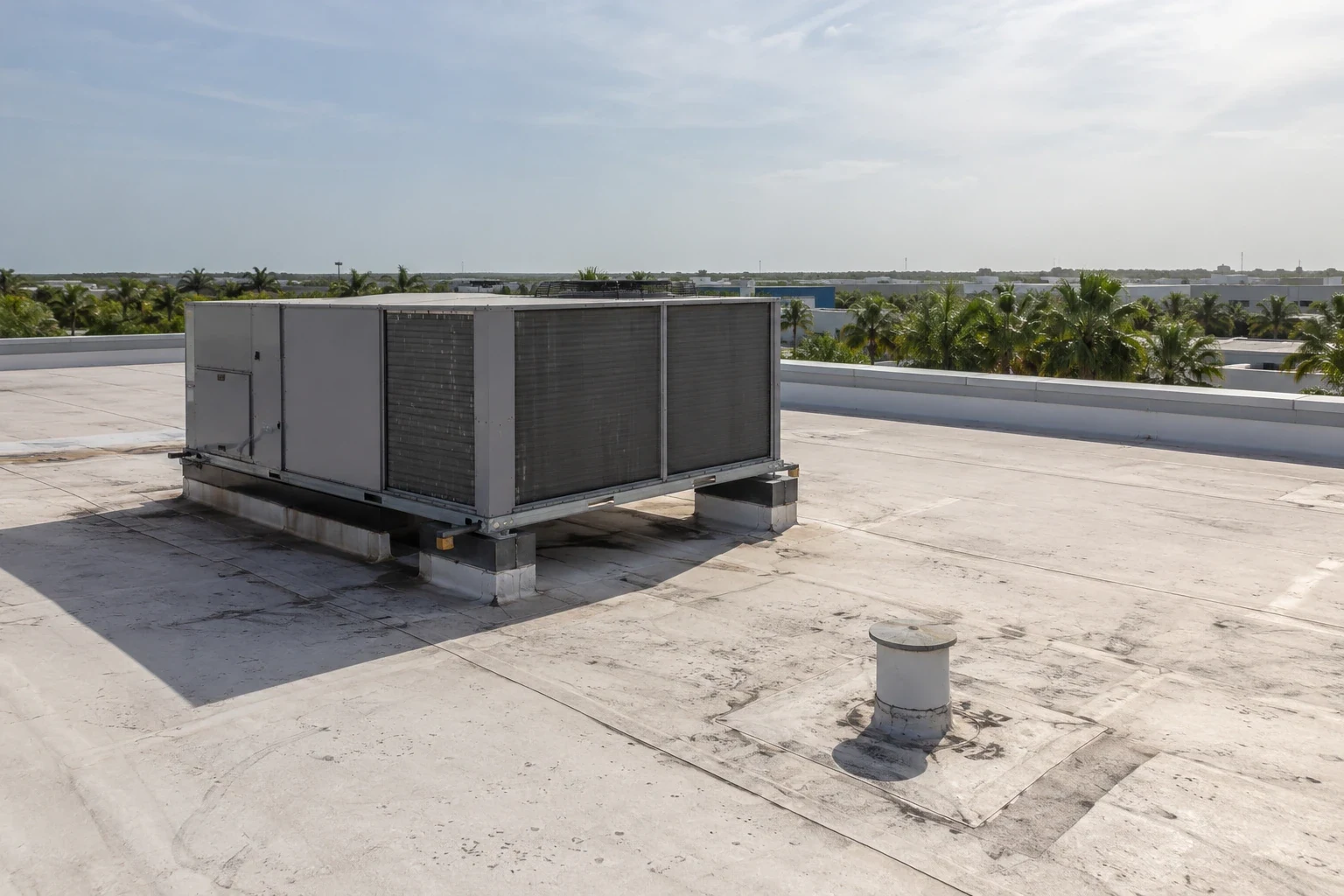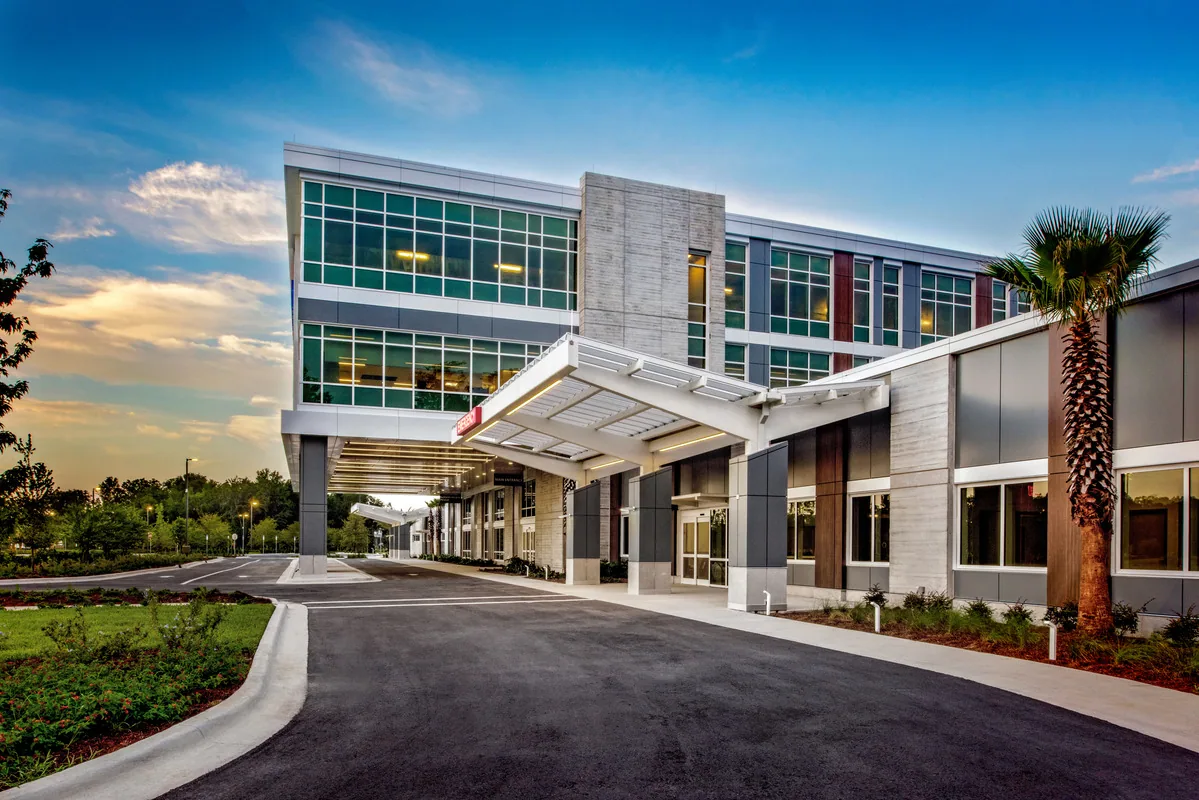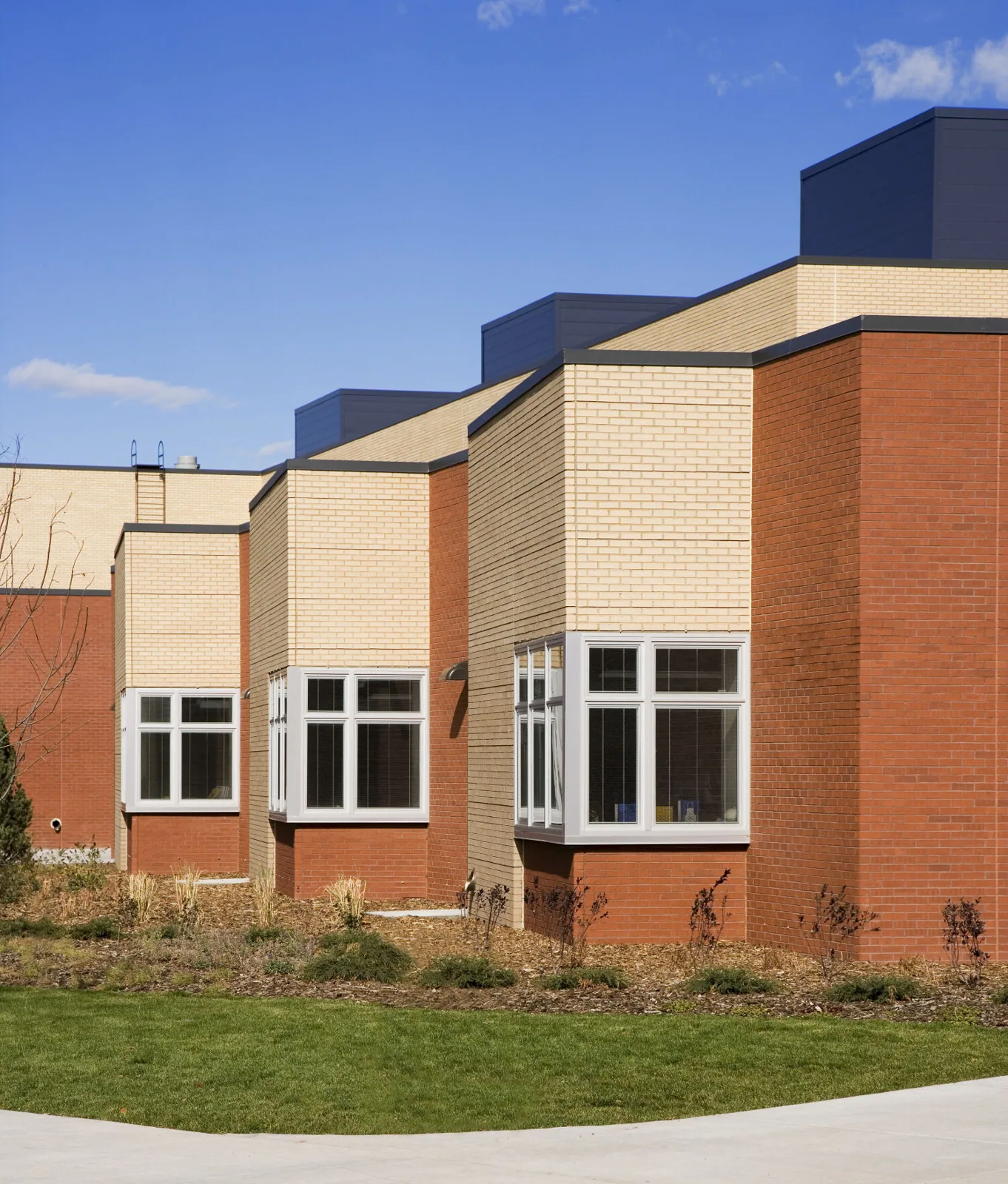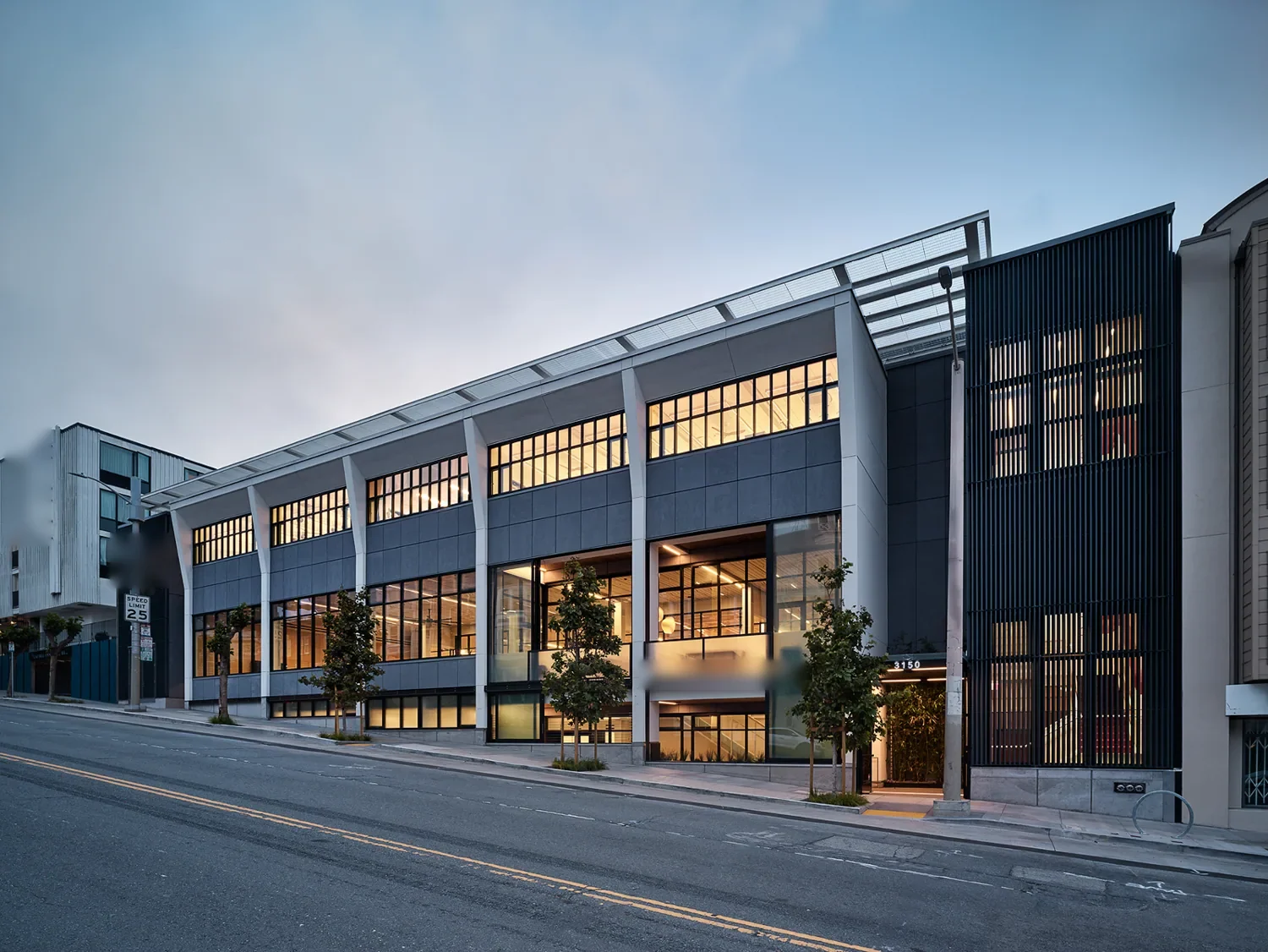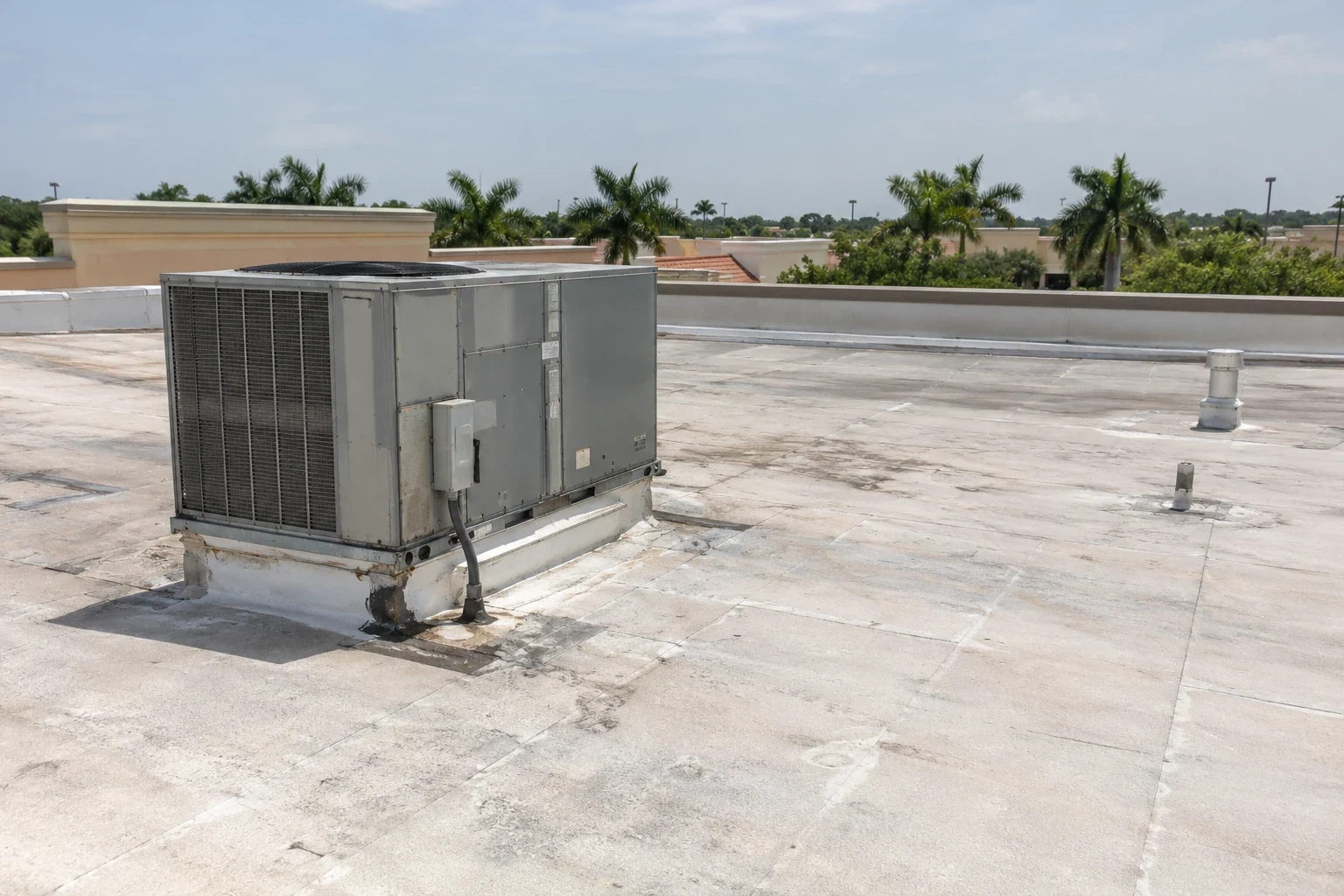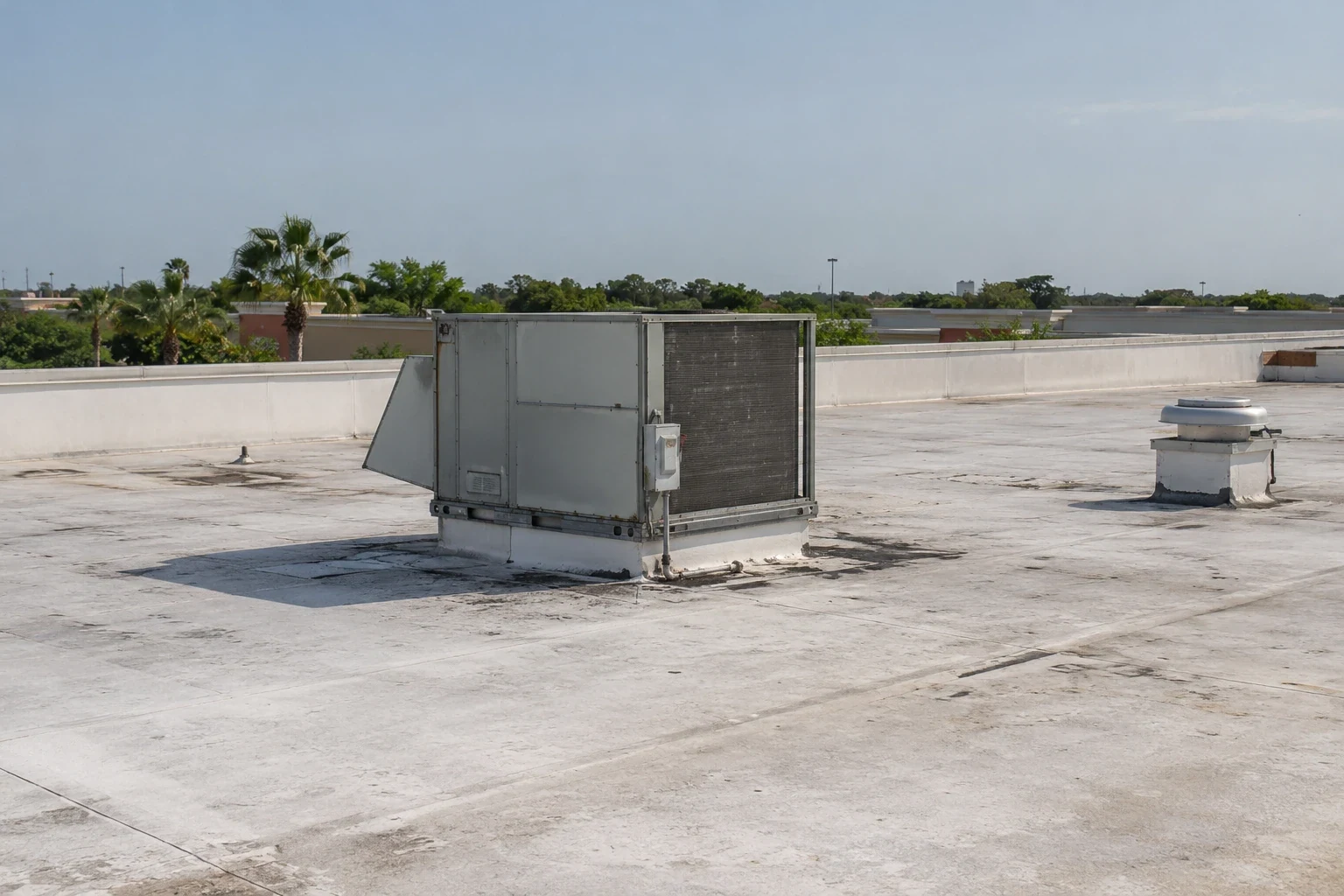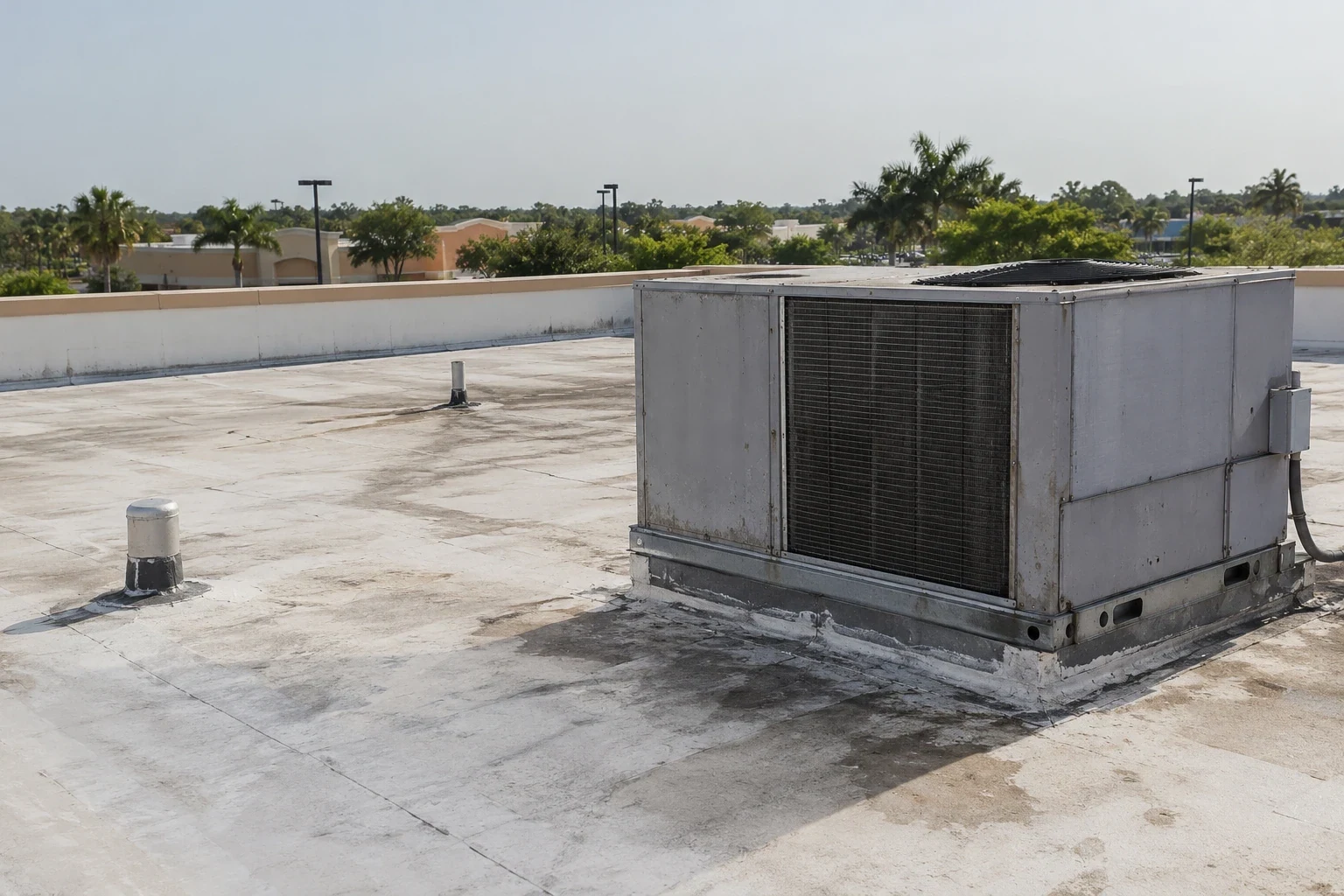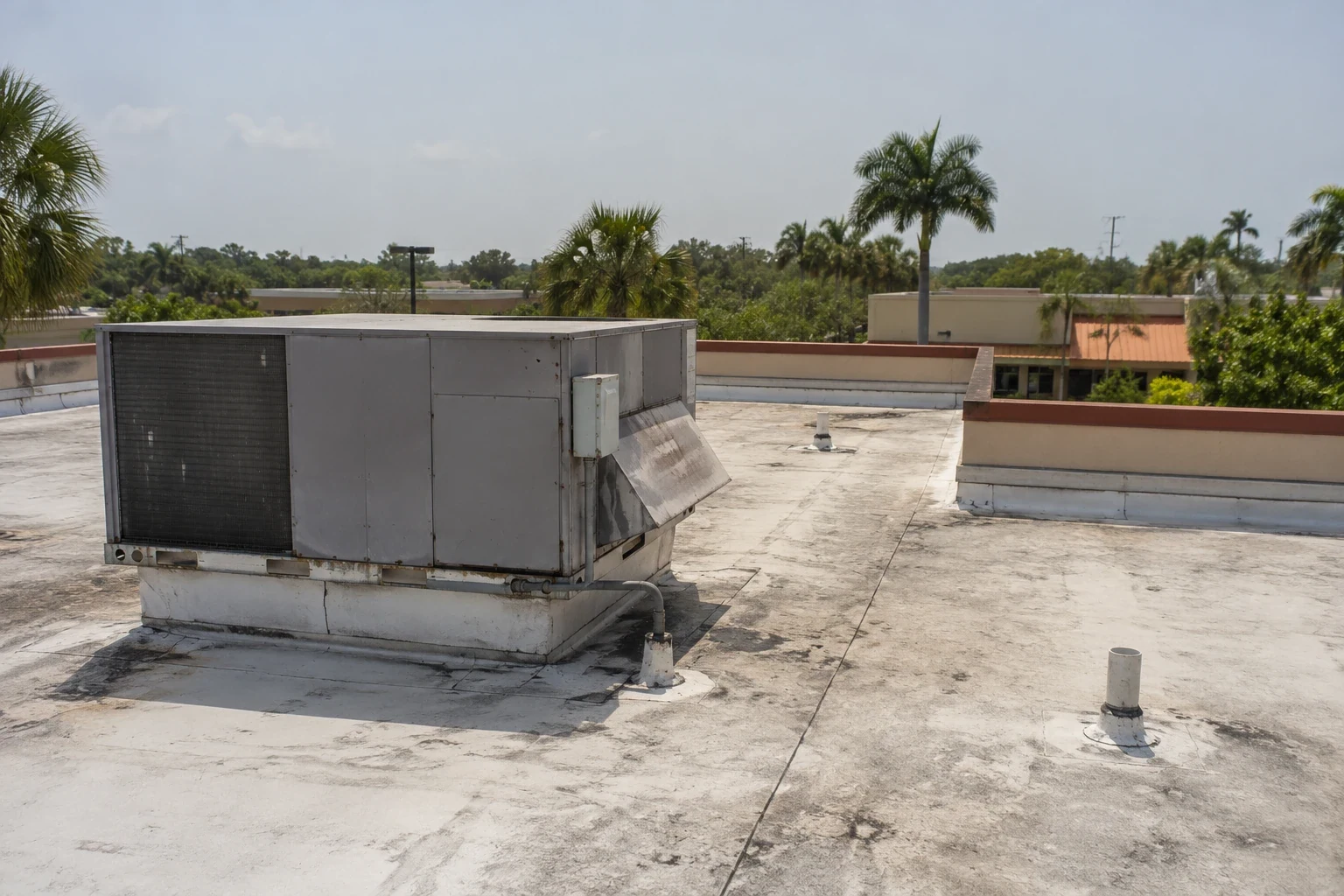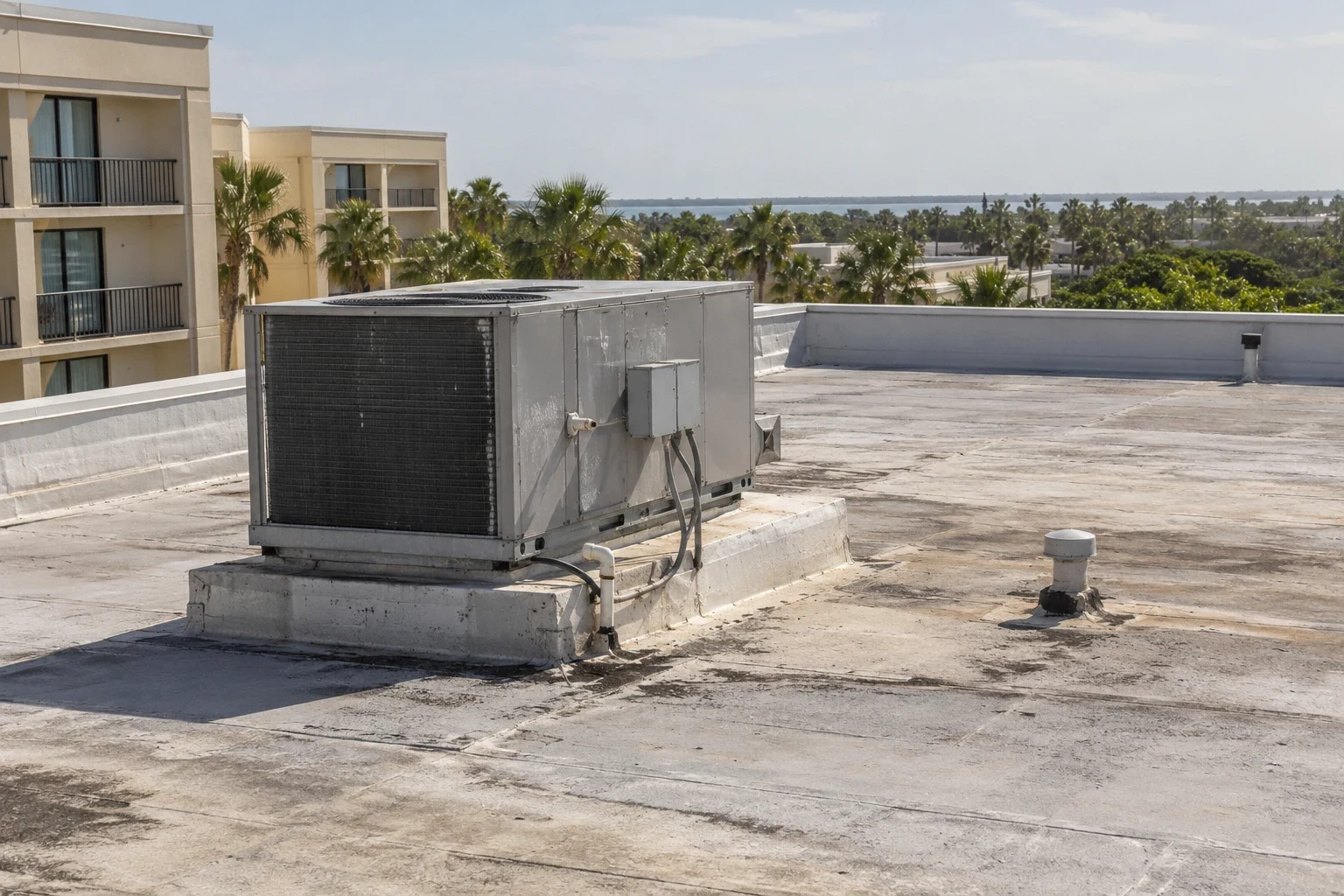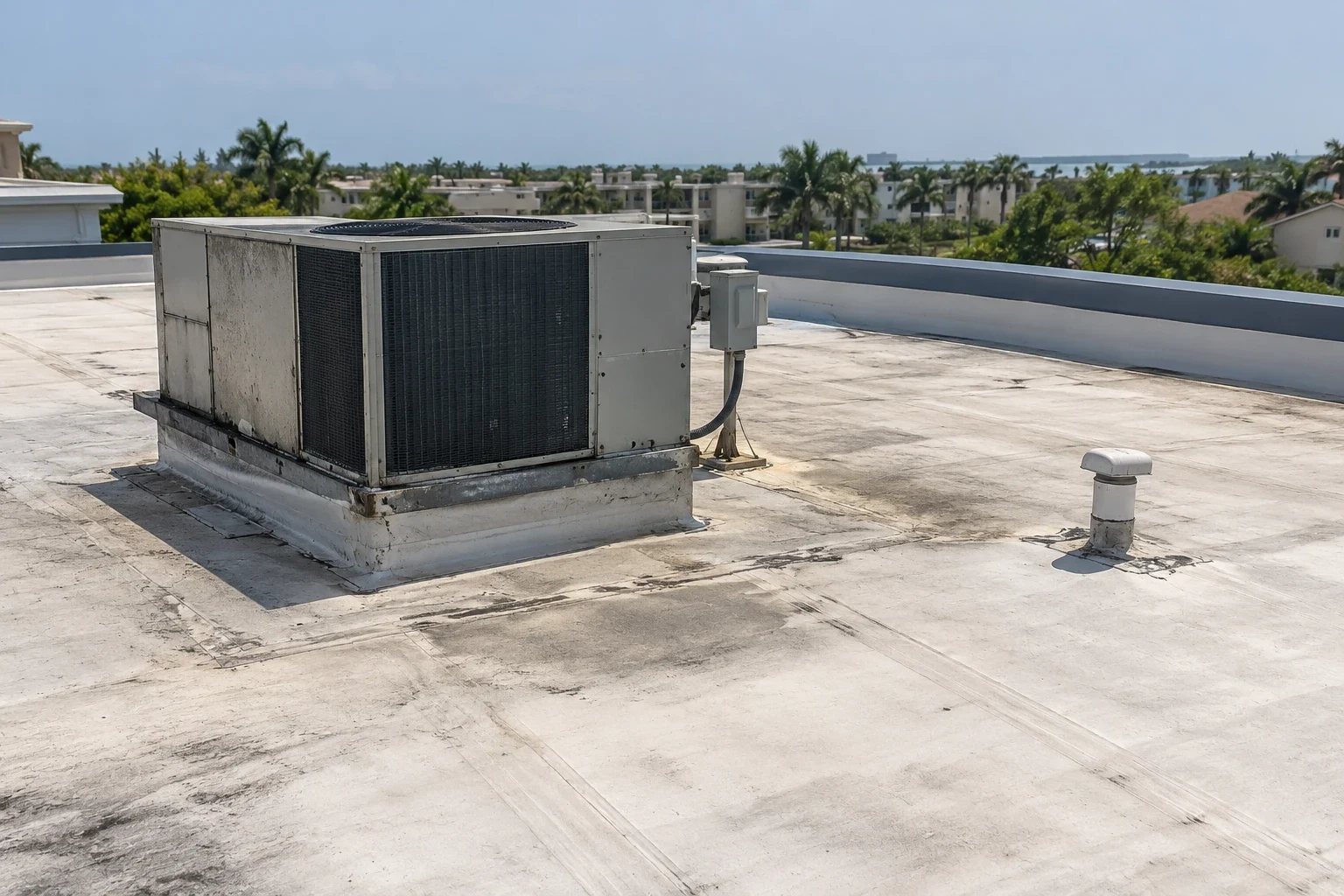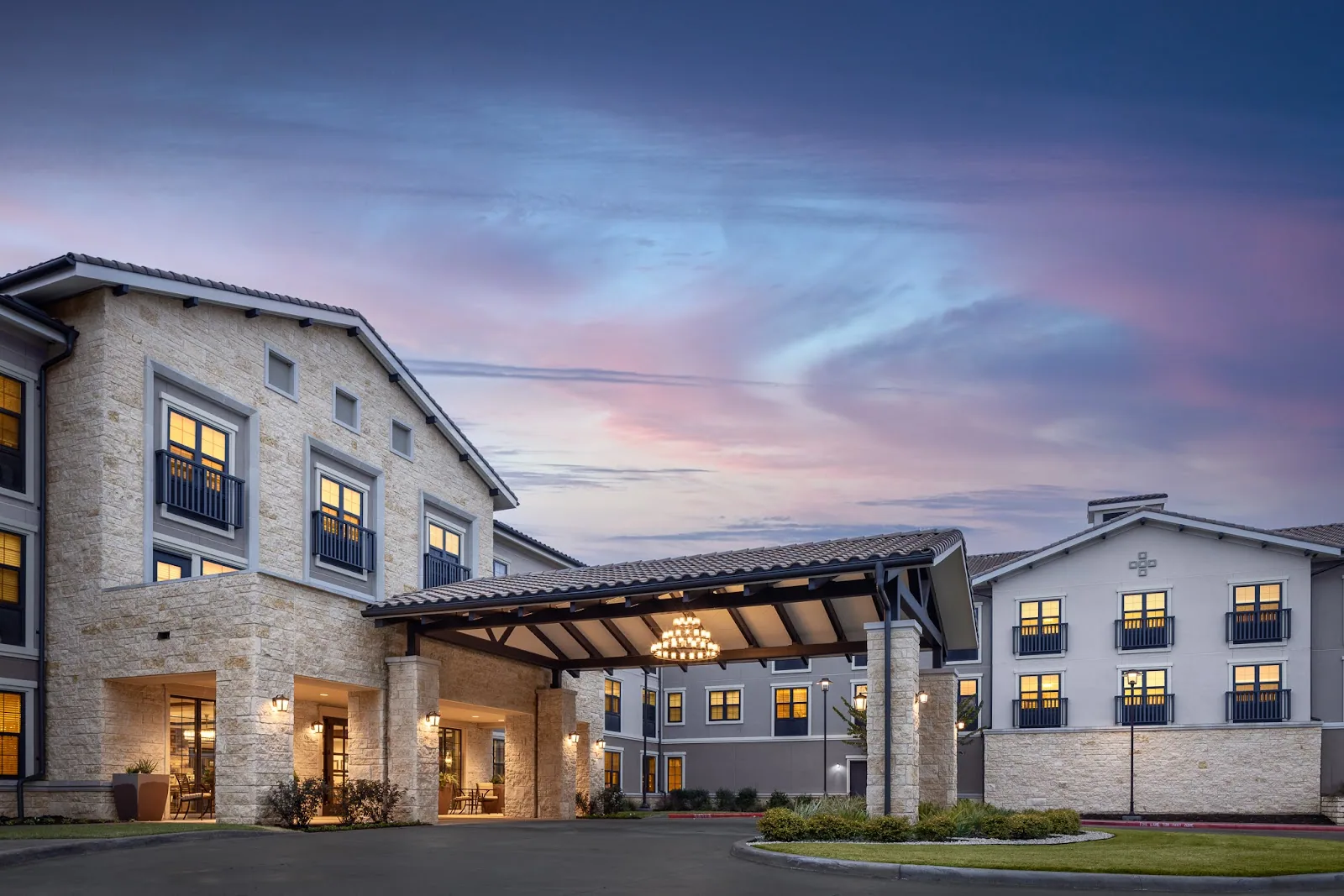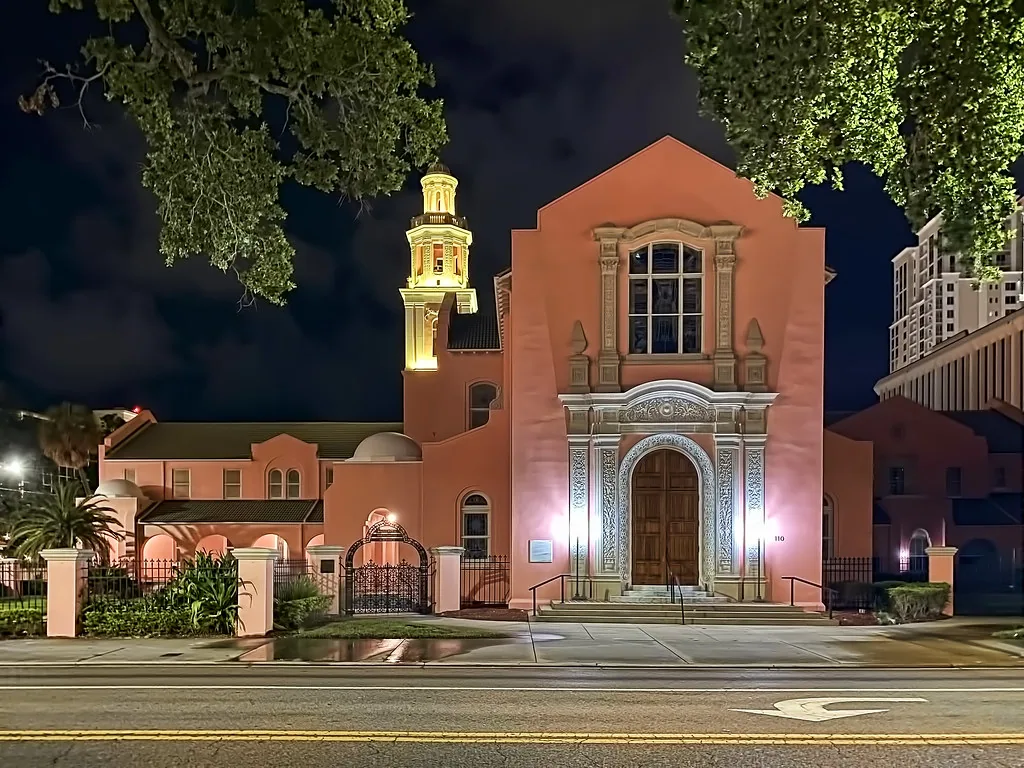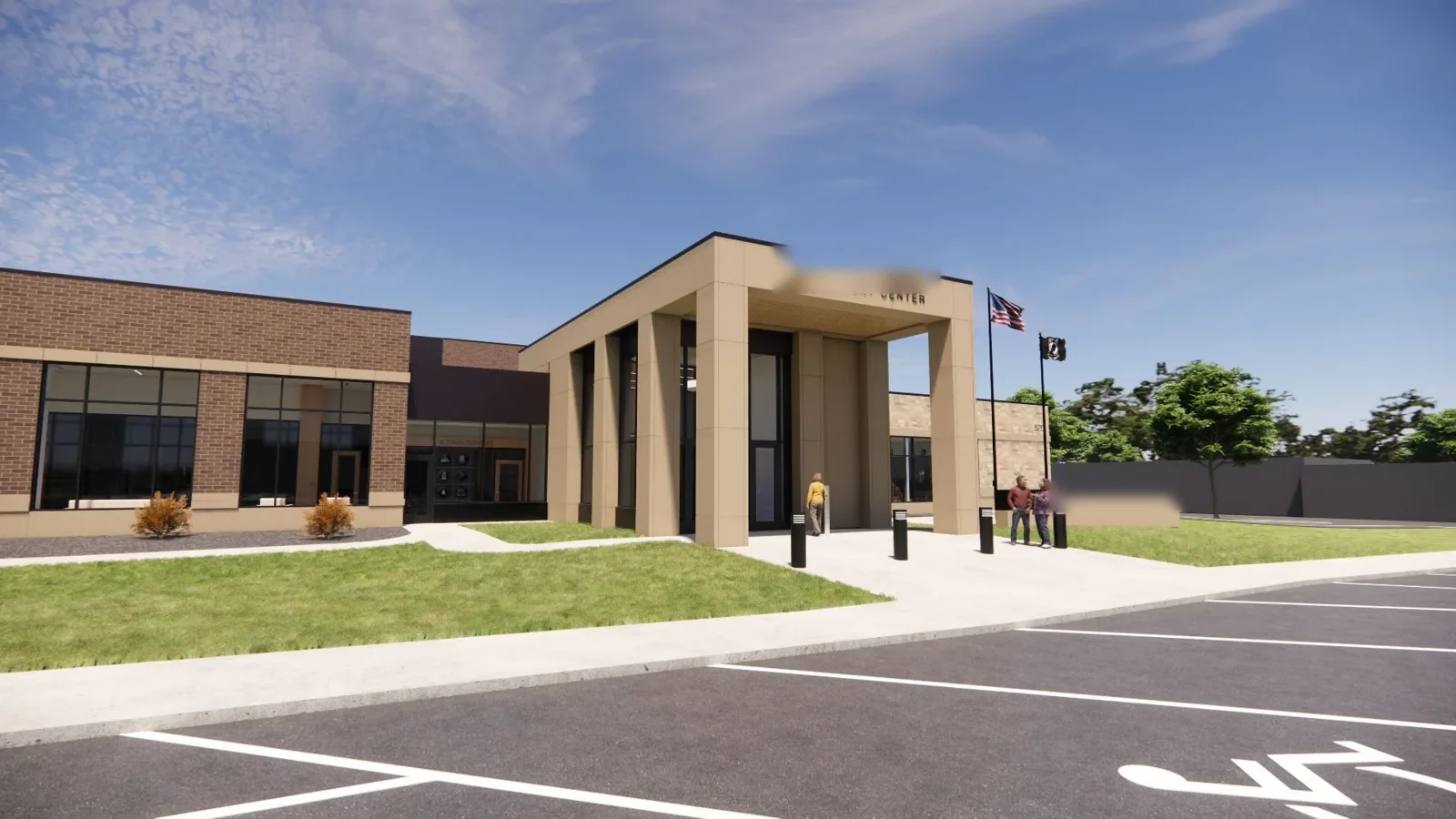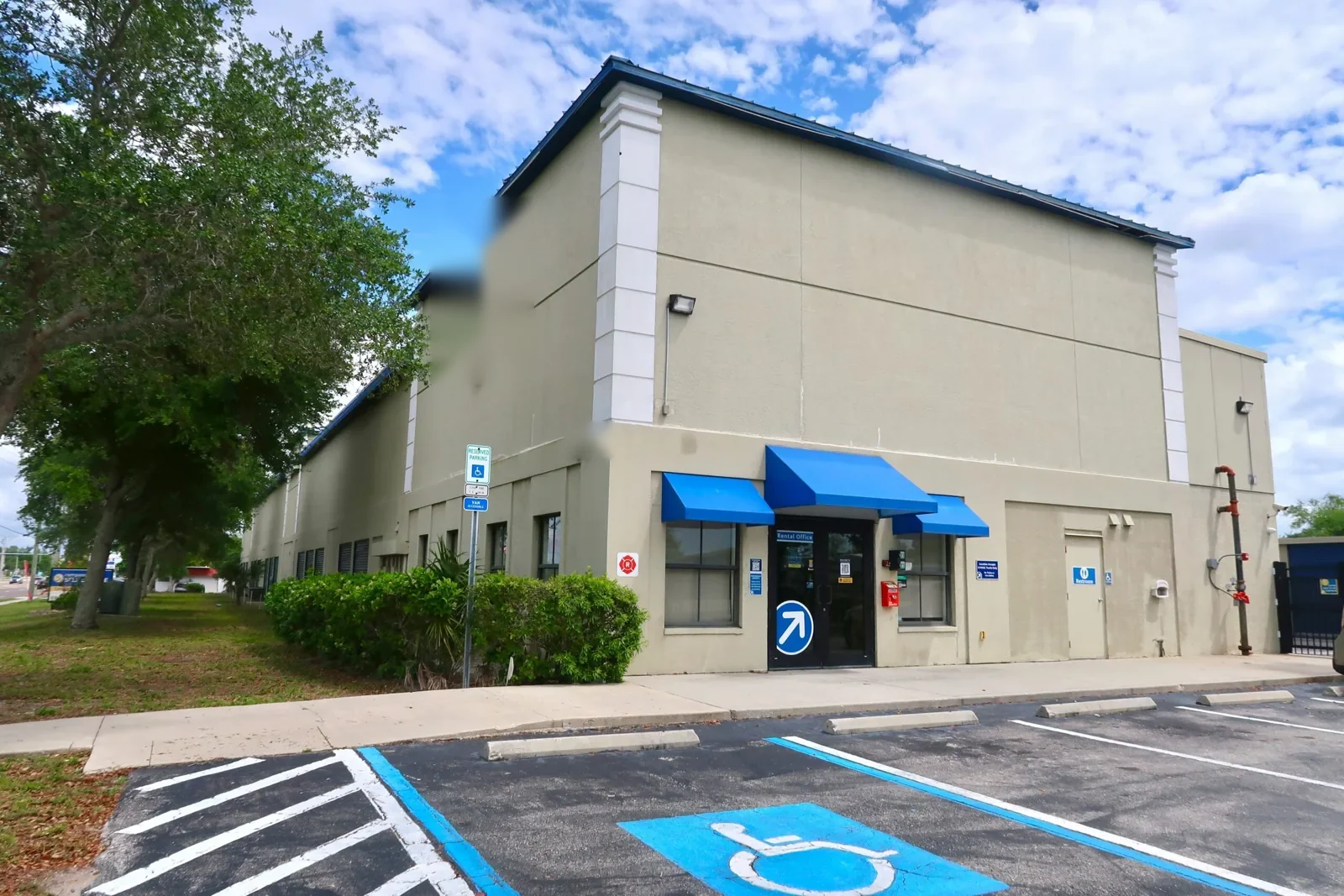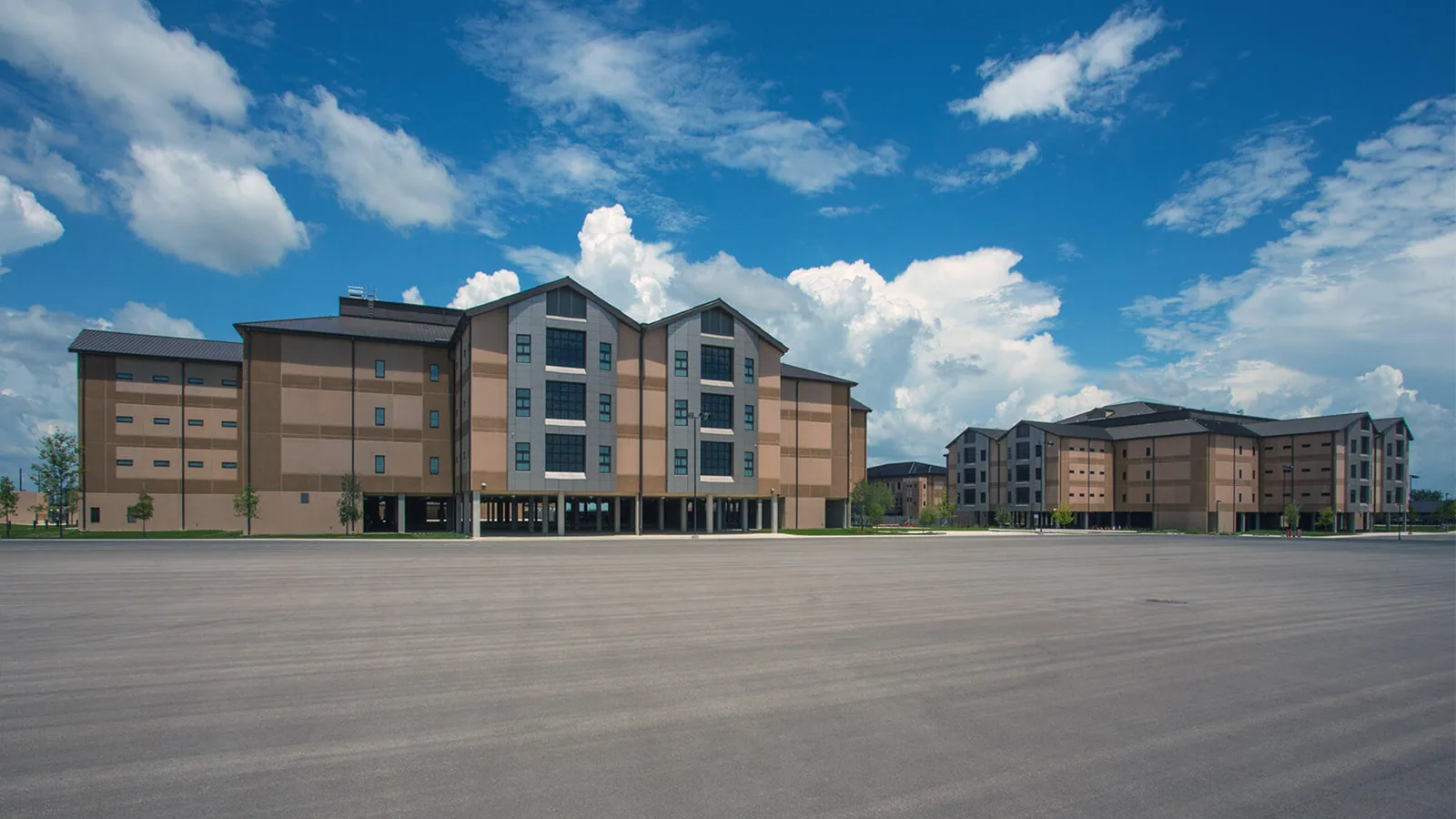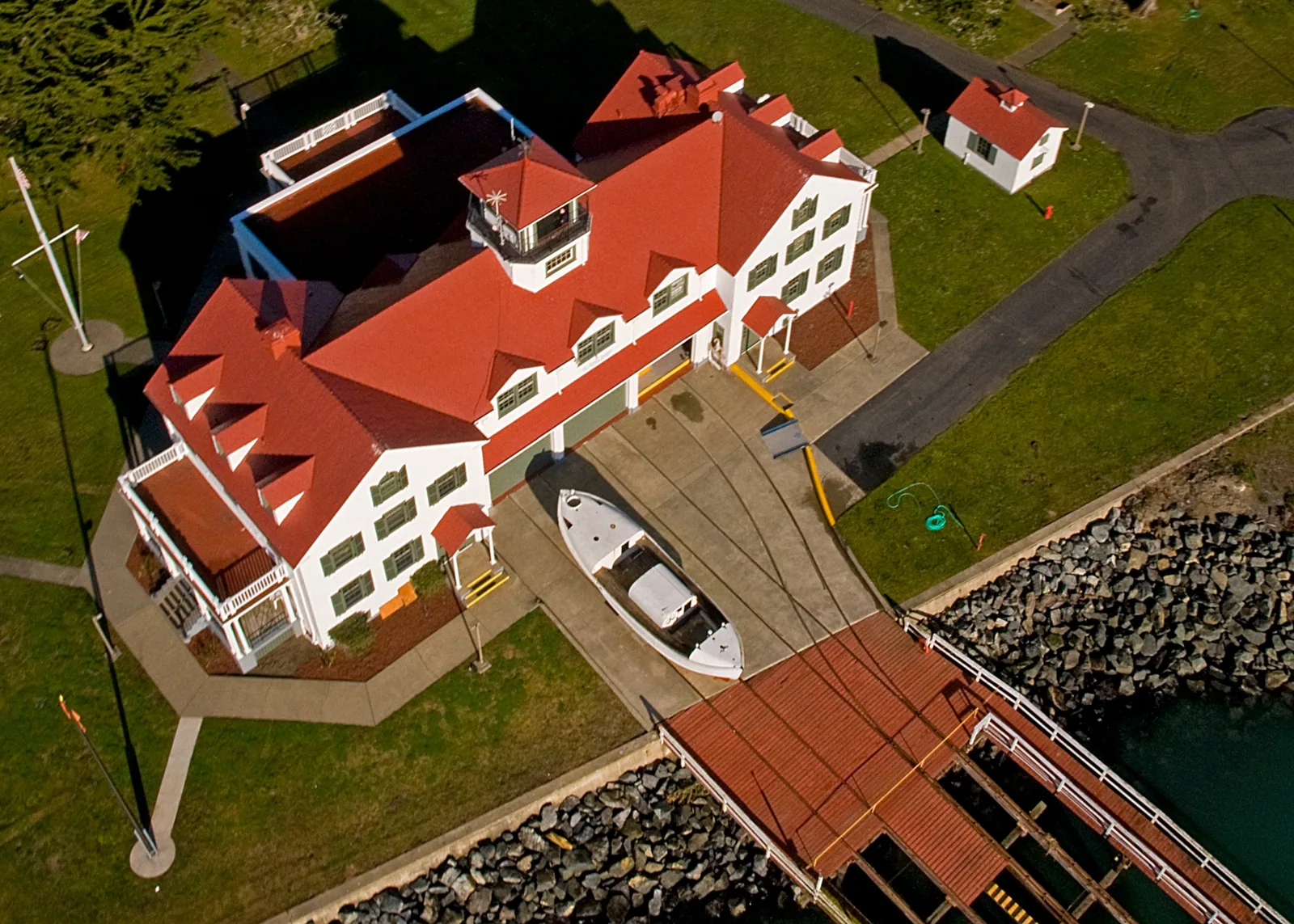
Building use changes roof access, protection, and the available work window. A warehouse may prioritize dock flow; an office may need quiet access; a shopping property may keep public paths clear. We inspect the actual assembly and plan around the operation, then measure the repair or replacement scope by roof zone. Missouri City’s commercial sectors include logistics, manufacturing, distribution, office, and retail, with nearby Sugar Land and Stafford adding distinct employment and corridor settings.
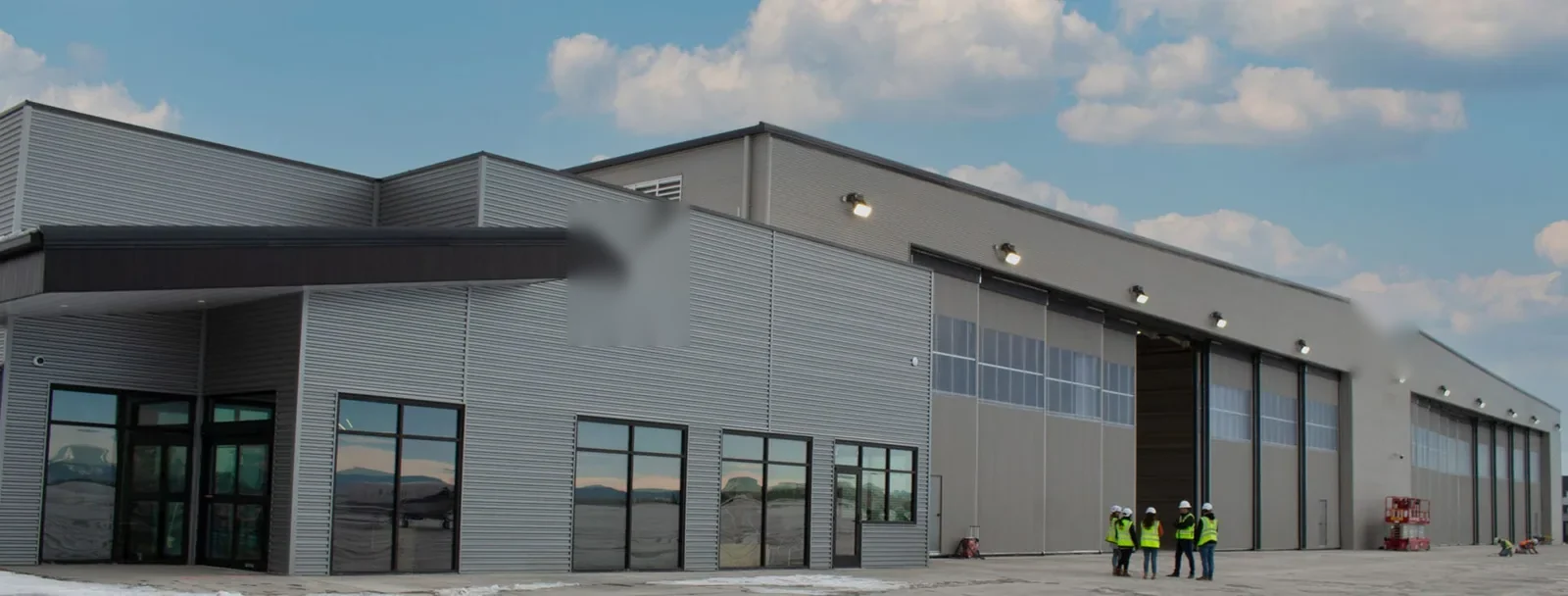
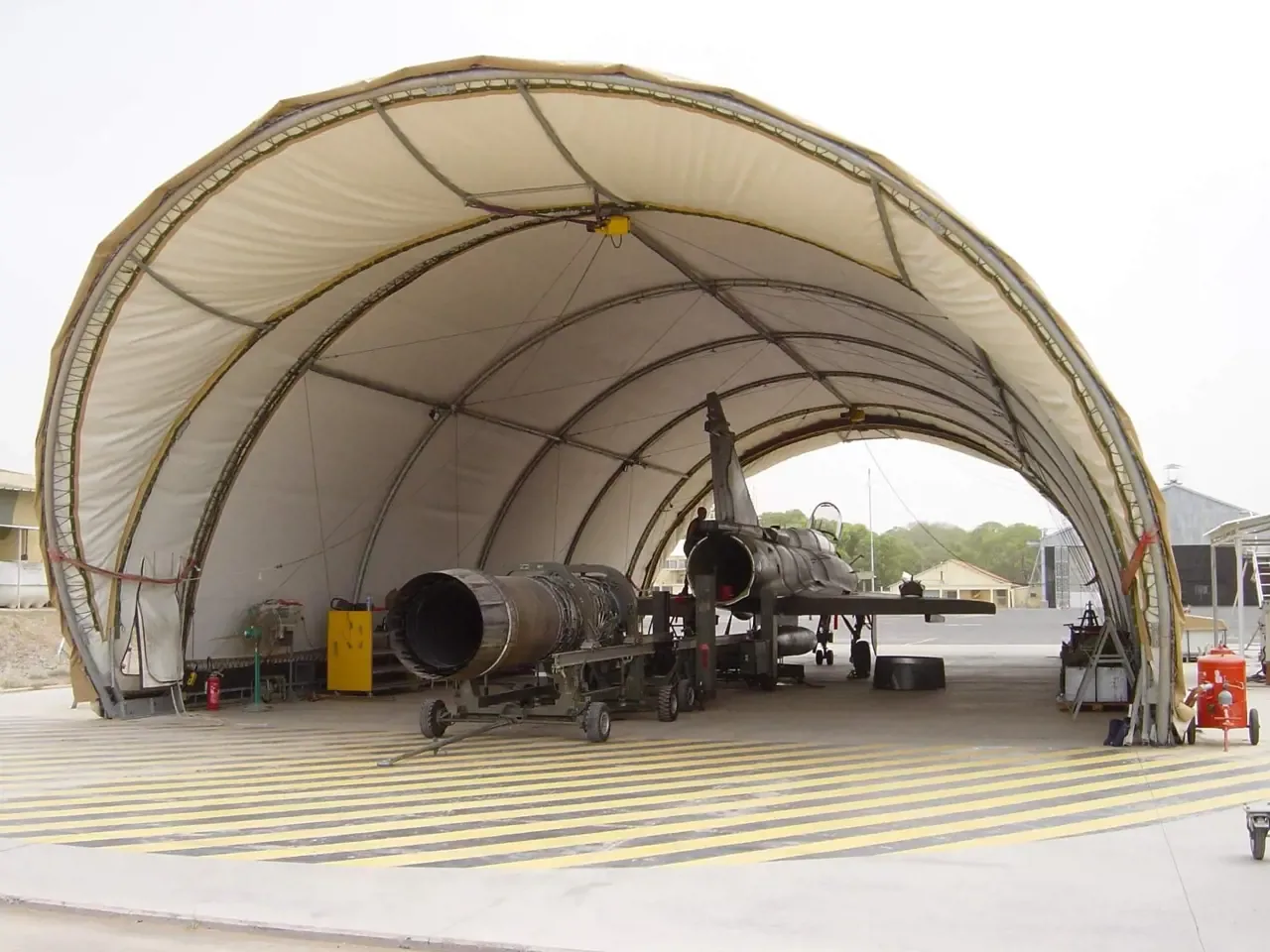
Warehouse roofs, distribution buildings, and manufacturing facilities often require attention to access, equipment, and active interior areas. We confirm the lift route, dock hours, roof zones, and equipment shutdown authority before opening membrane. The scope notes protection below and a secure stopping point for each shift.
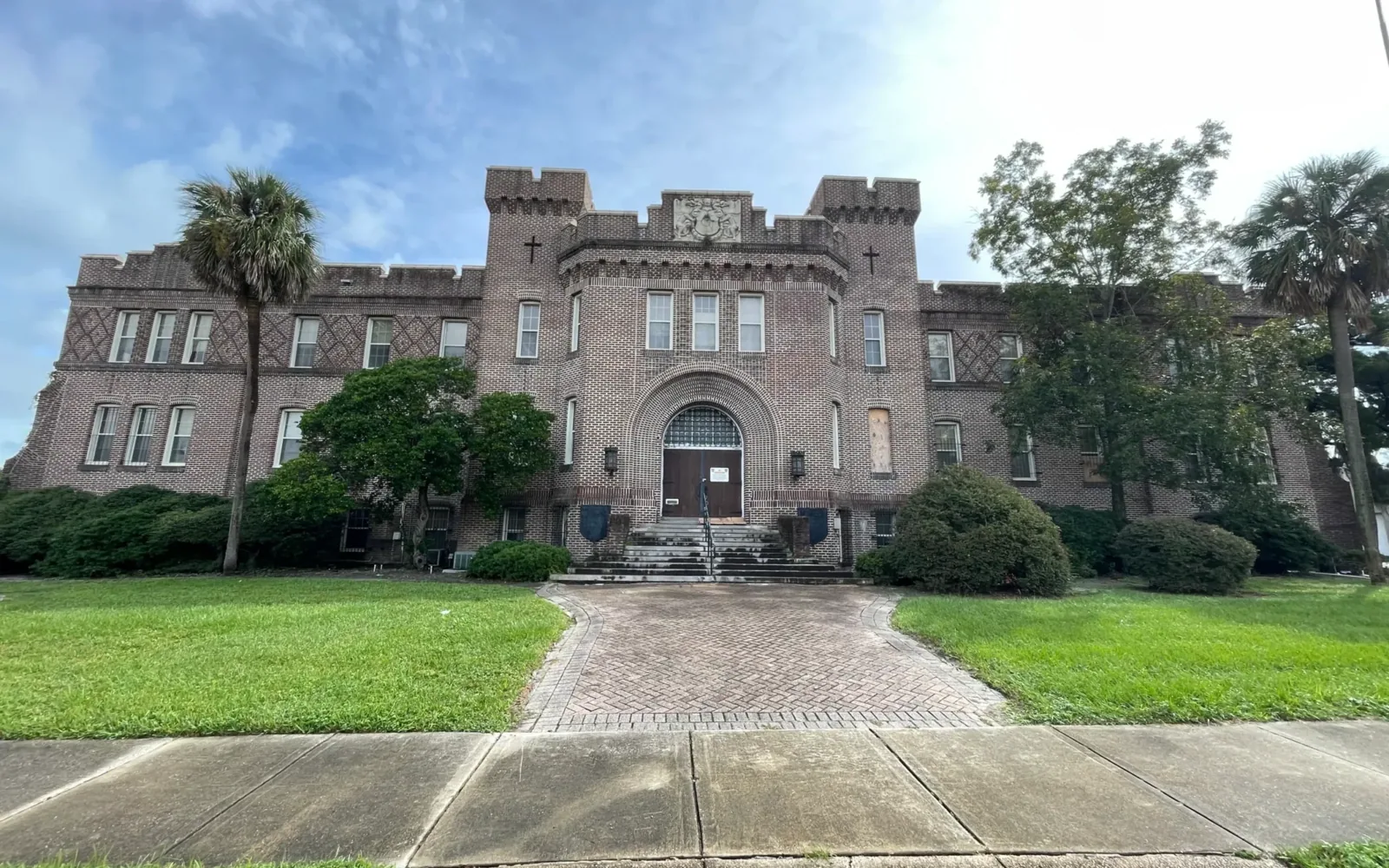
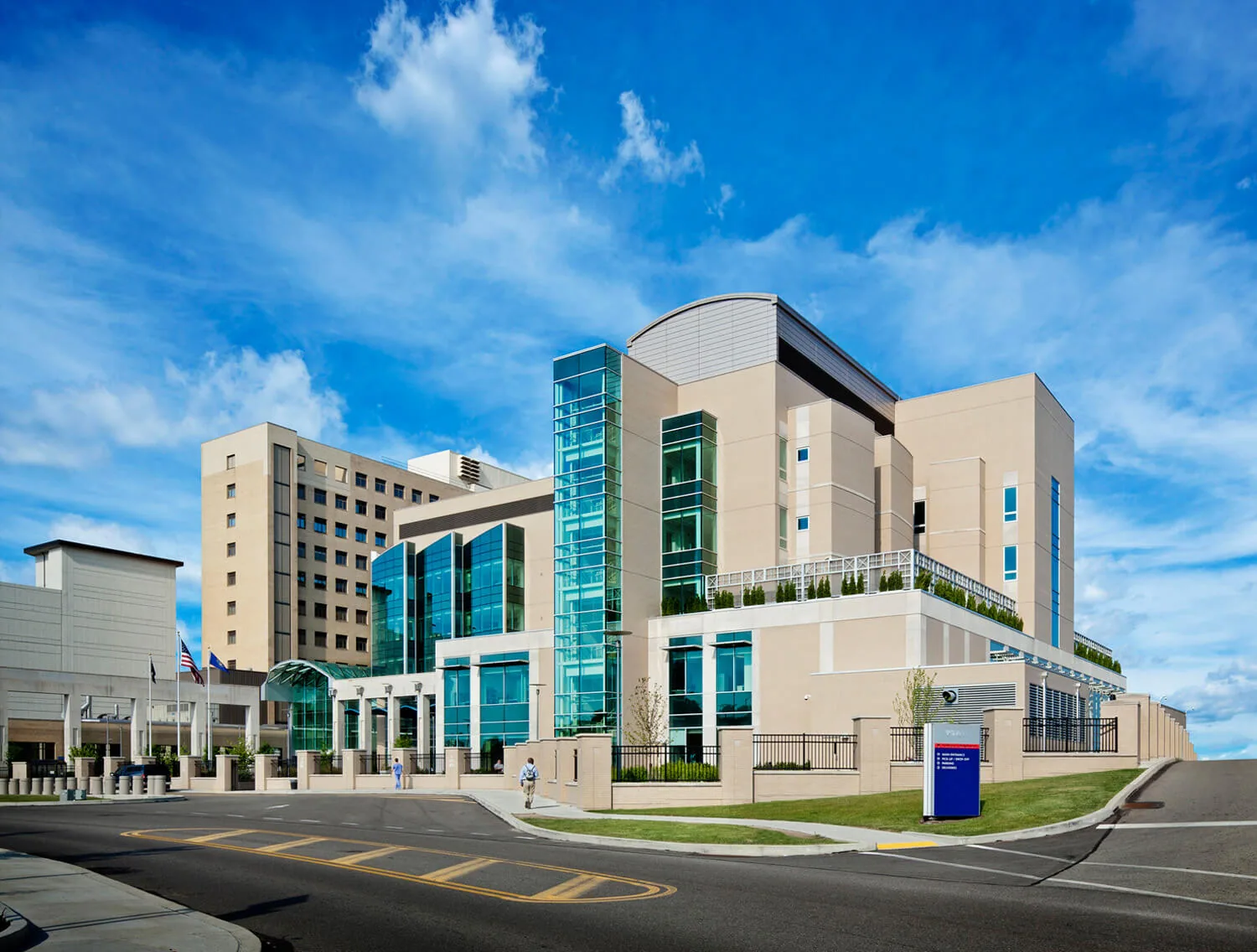
Healthcare and education work needs a clear route, protection below, and a handoff the building staff can follow. Hospital roofing and school roofing begin with the roof zone and the sensitive area below. Office buildings may need a different work window from a medical office. We mark each constraint and sequence work where the property can release safe access.
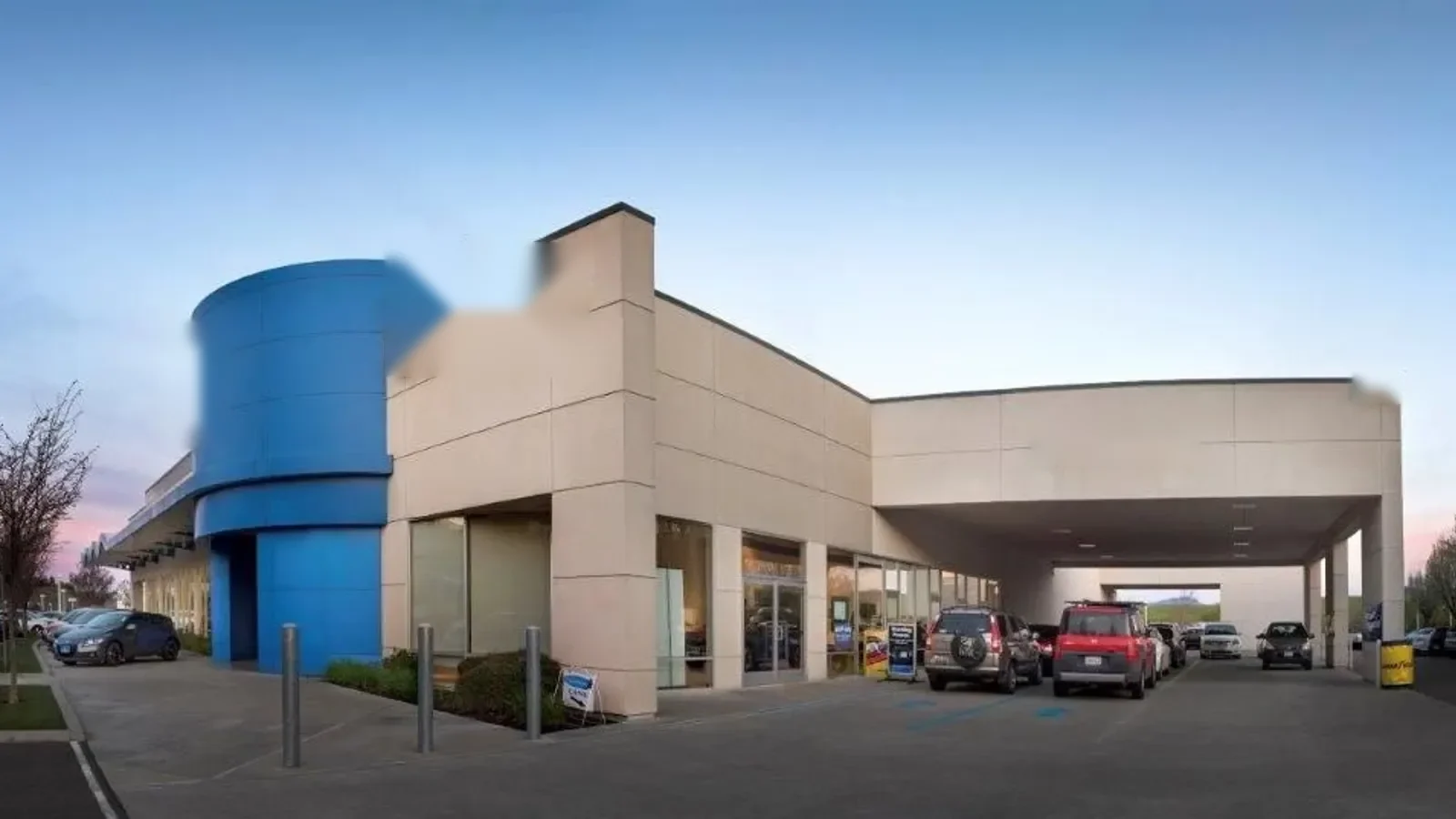
Missouri City’s Fort Bend Town Center and Sugar Land Town Square are different mixed commercial settings. A retail roof scope still comes from each building’s assembly and tenant plan. Shopping centers, grocery stores, and restaurants may need work staged around customer paths, deliveries, equipment, and shared drains.
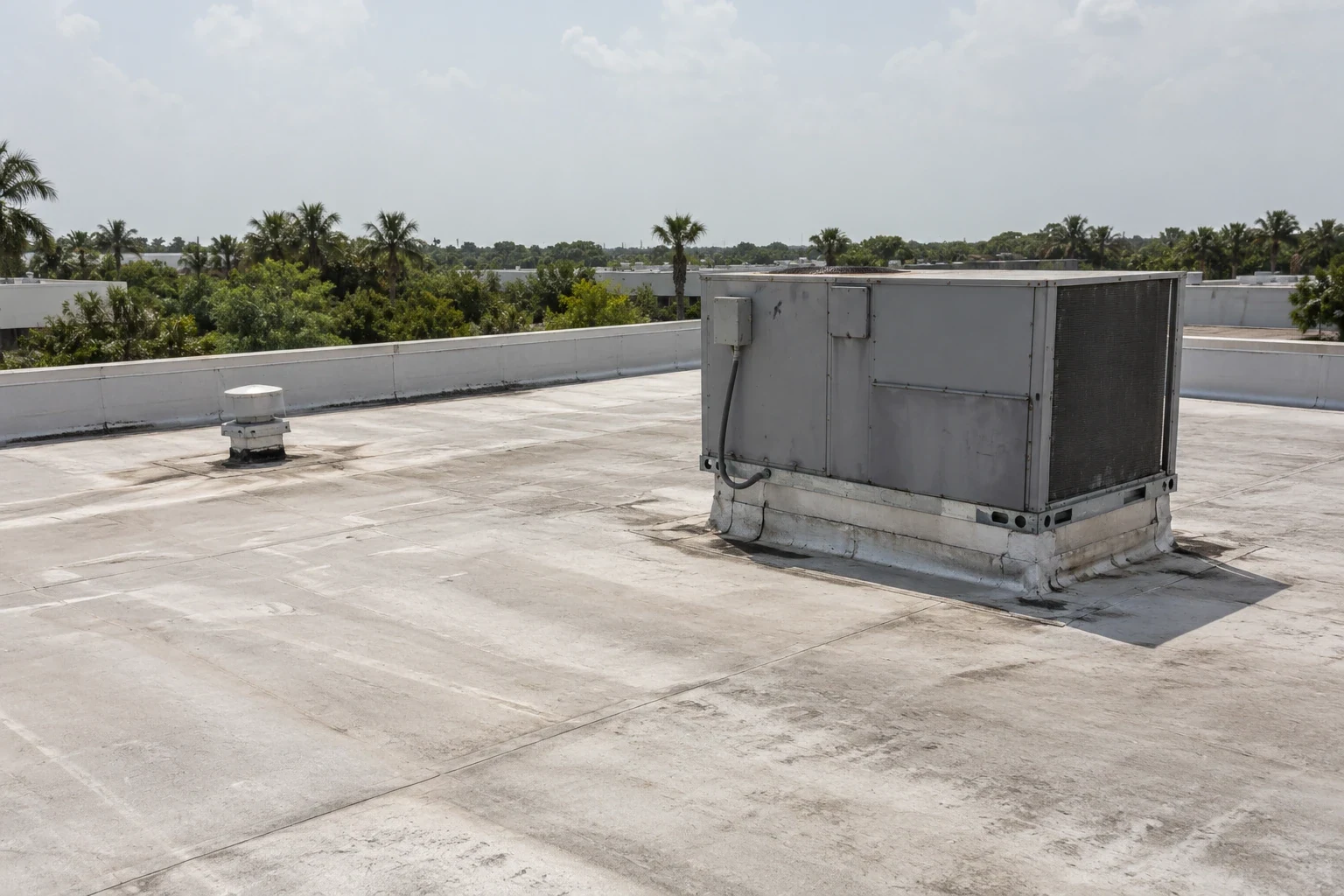
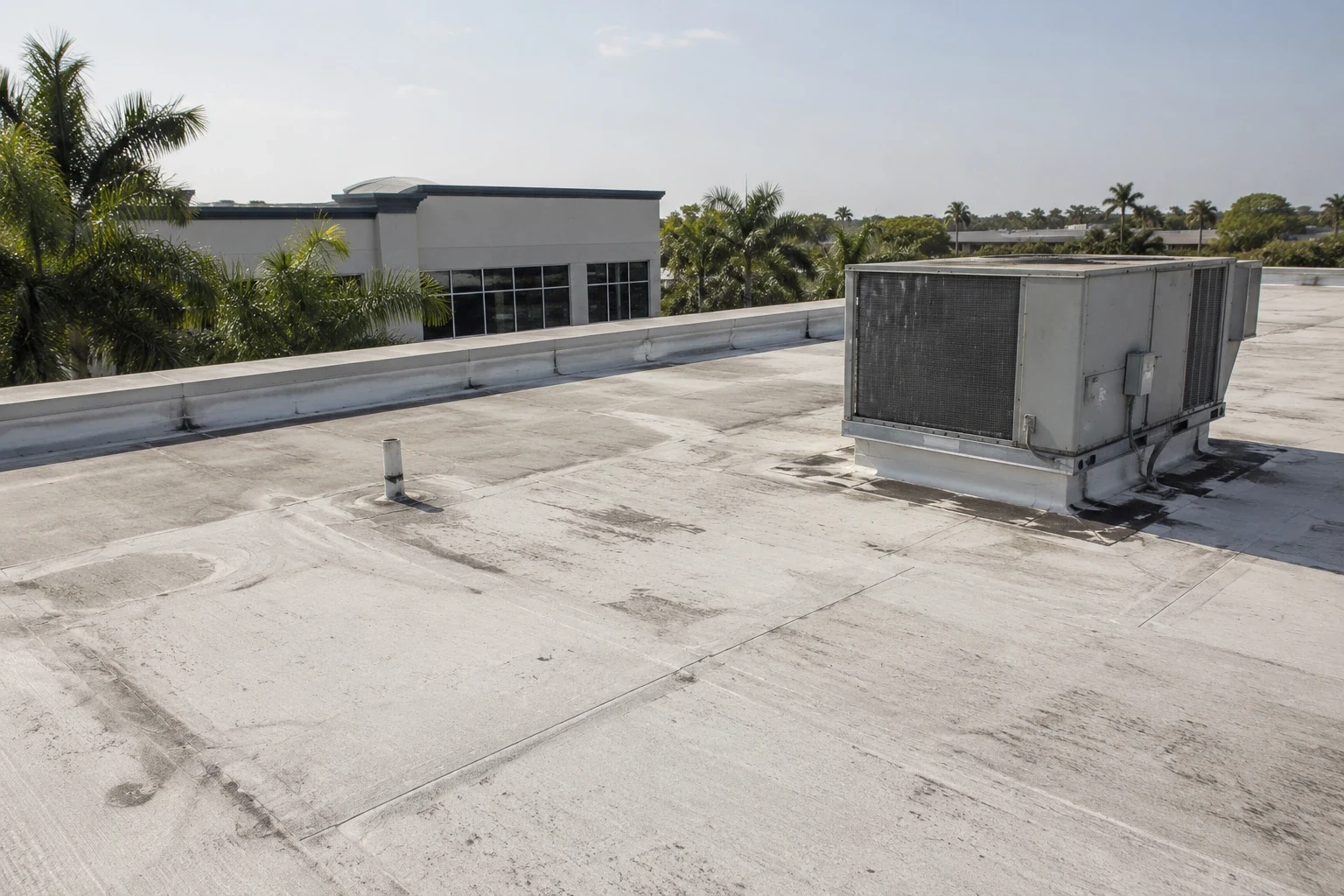
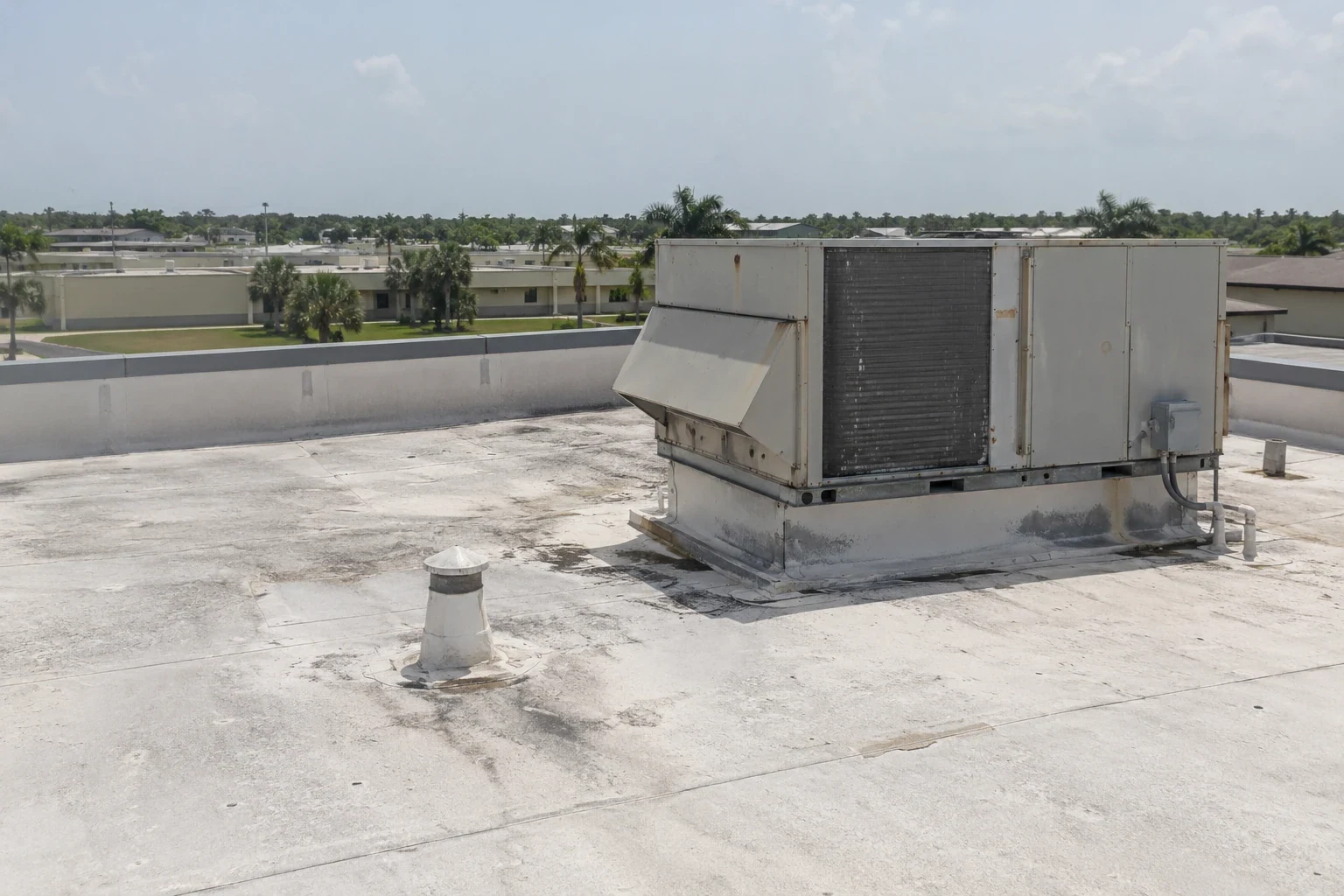
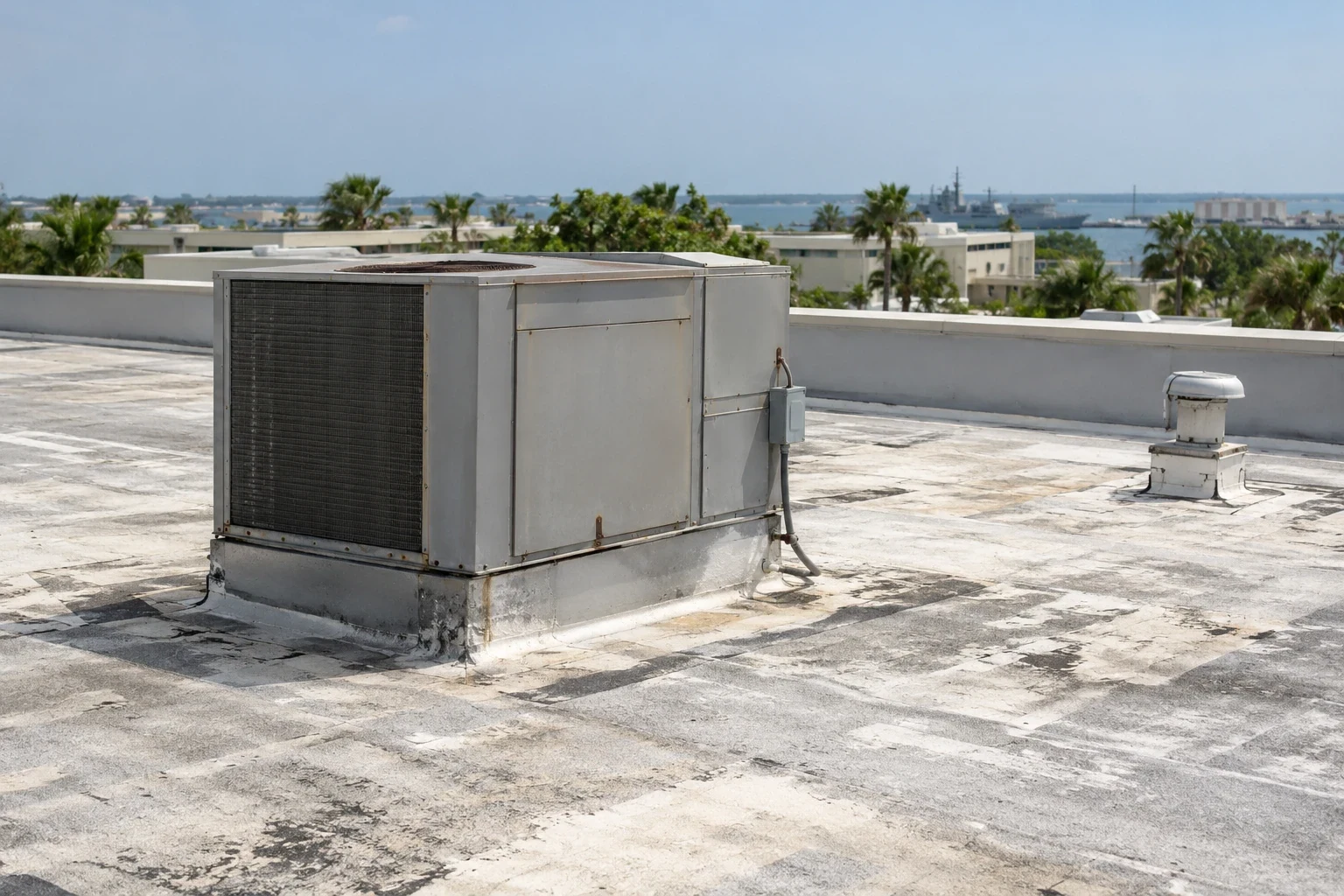
A property label does not establish roof age, system, or condition. We inspect exposed edges, seams, penetrations, drains, and prior repairs. A cold-storage roof or data center may involve sensitive controls, but the facility contact confirms actual shutdown limits and access. We document preparation, material, dimensions, protection, tests, and concealed conditions that need approval. Cost and timing also reflect height, staging distance, number of roof zones, tenant hours, and material lead time. Each proposal keeps those drivers visible beside the repair boundary. Owners can hold future phases apart from confirmed work.
No. We inspect the building records and exposed details to identify the assembly. Property use helps plan access and protection, while roof condition sets the repair method.
The owner releases safe access and identifies areas that must remain in service. We can phase zones and document a daily stop point when the assembly and work window allow it.
It should state the roof zone, material, preparation, measured quantity, protection below, access limits, and closeout check. Concealed conditions remain separate until approved and confirmed.
They help orient the property and its operating context. The inspection still records the building’s actual route, assembly, drainage, and reported condition.