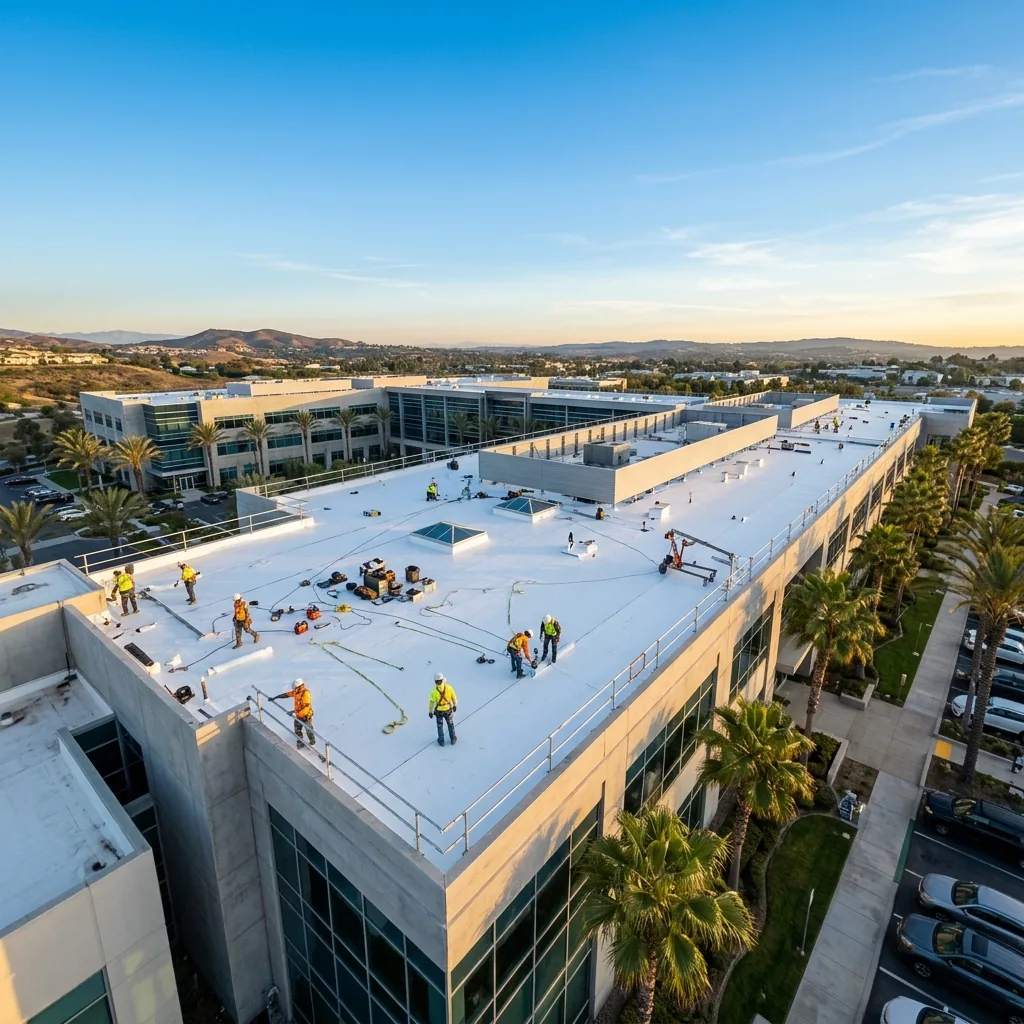
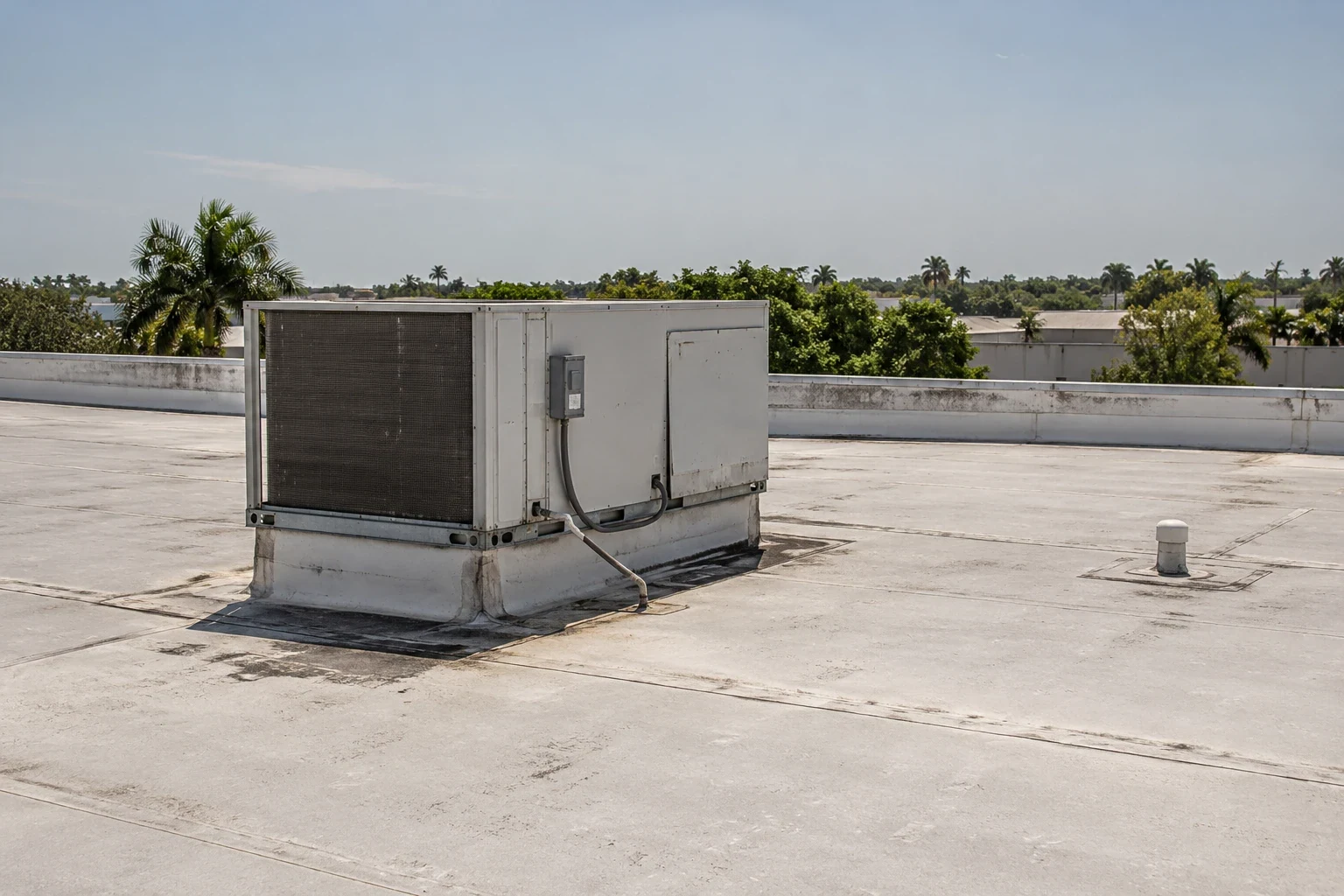
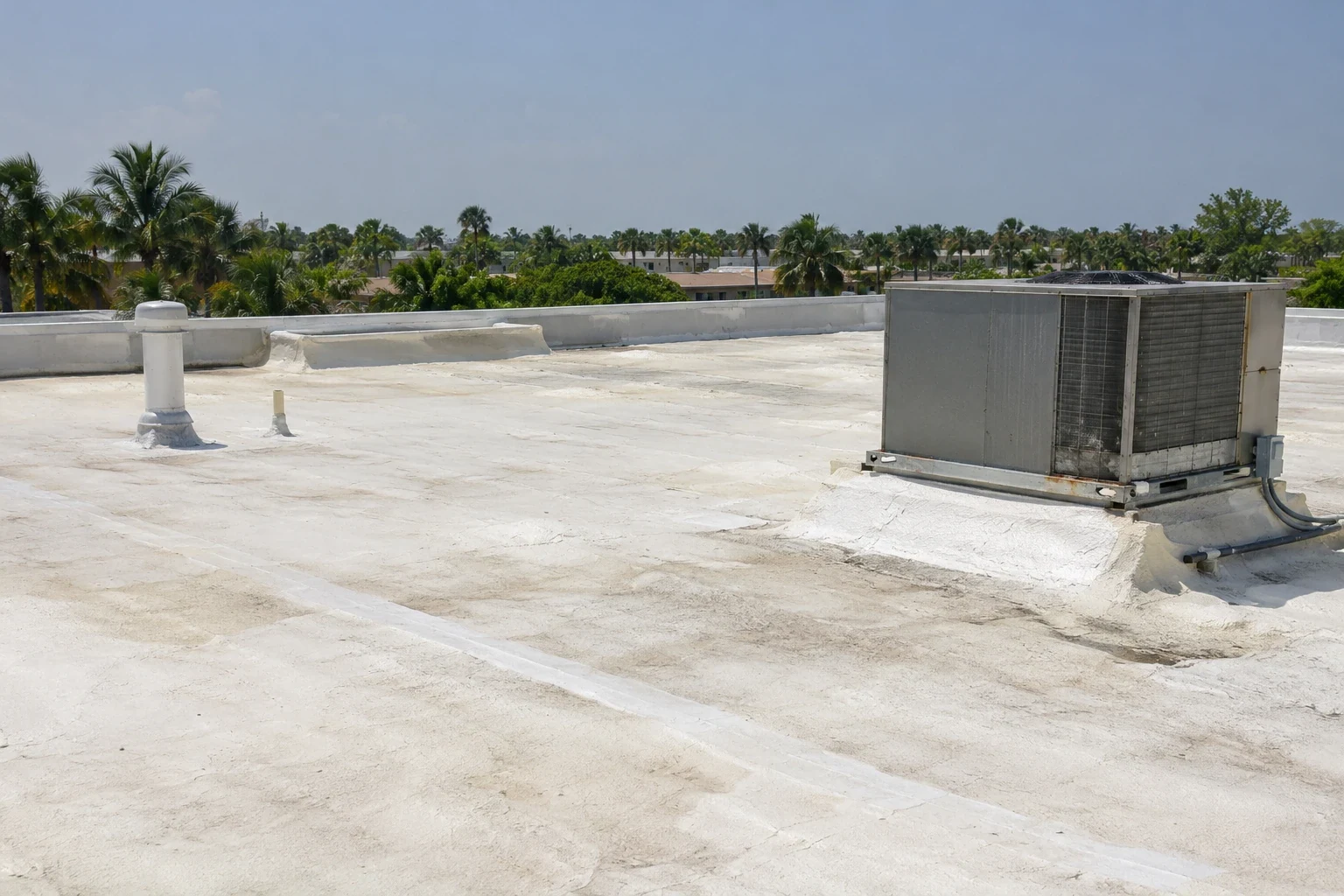
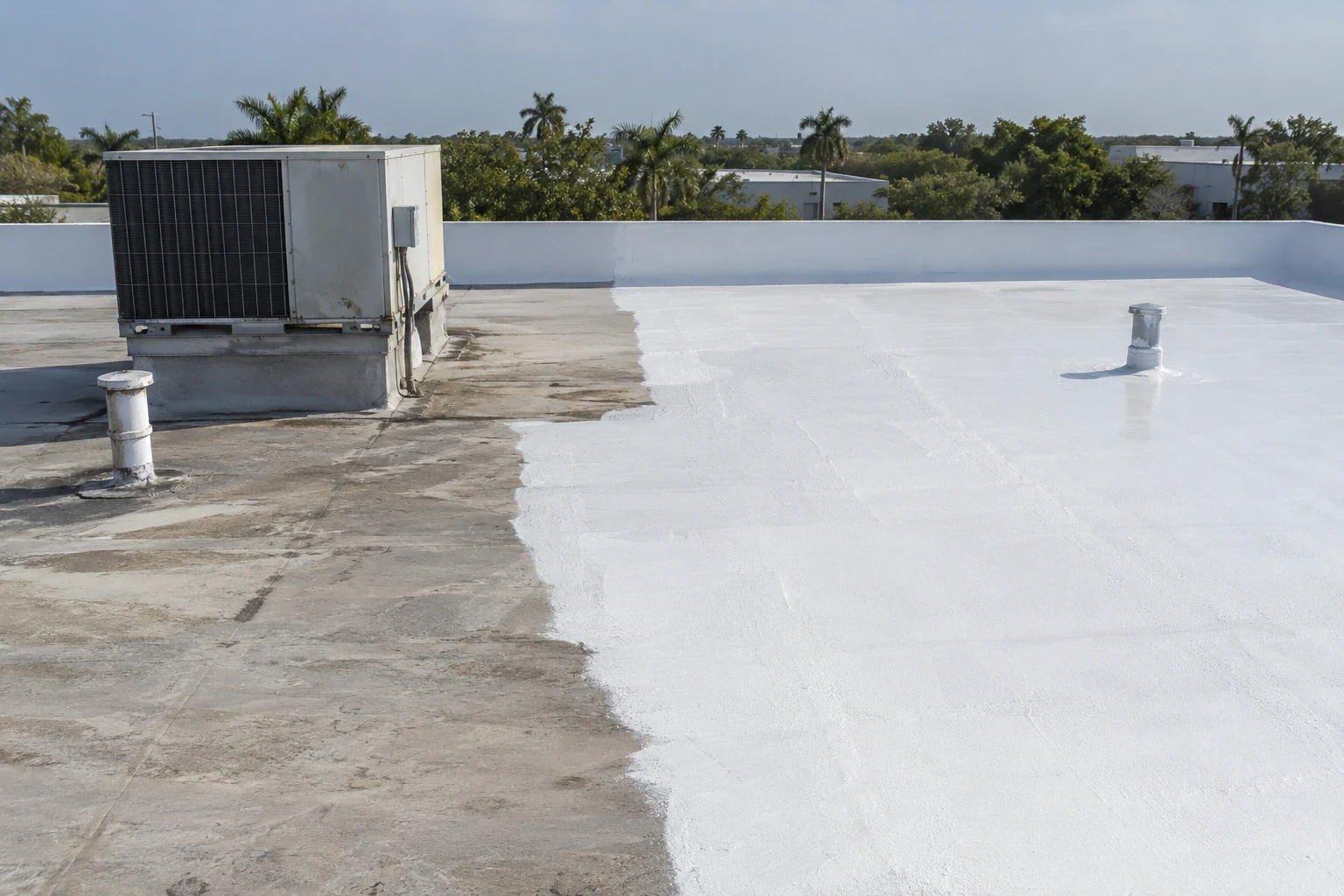
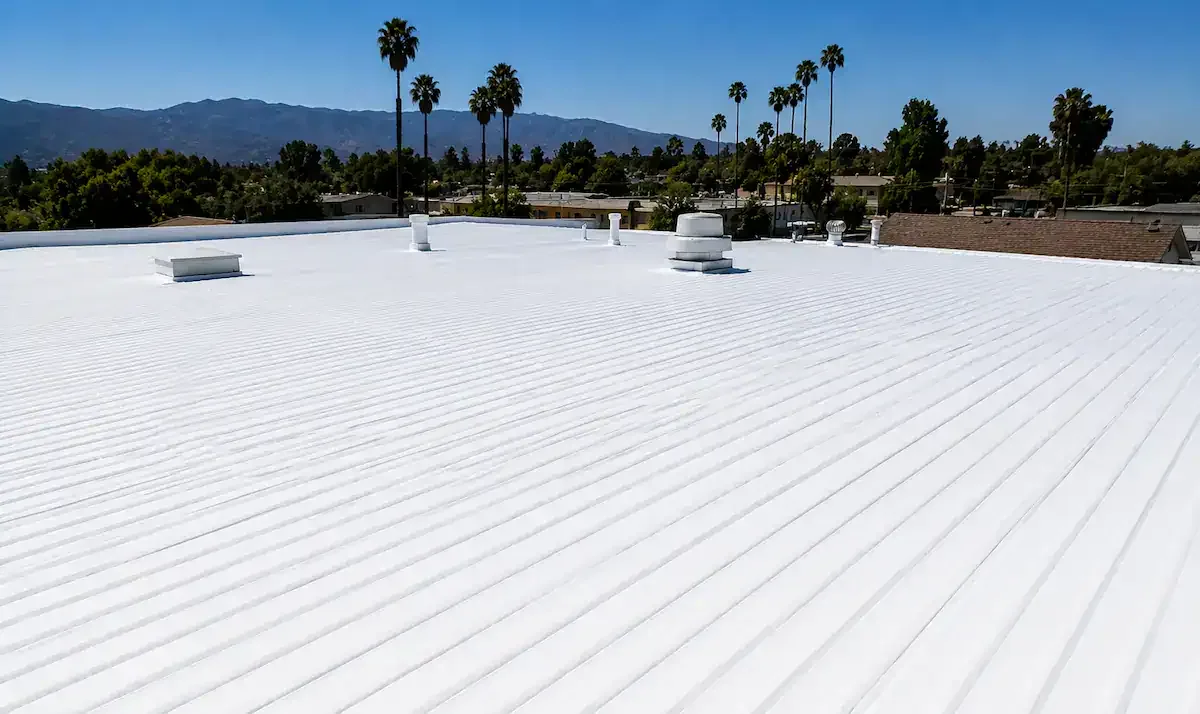
A roof system is a set of materials and transitions, not just a membrane name. We identify the existing assembly from records and exposed details before recommending repair, recover, coating, or replacement. In Missouri City, heat and heavy rain put seams, drains, flashings, and temporary protection into the field review. The right option depends on the assembly, substrate, drainage, access, and operating window at the building.
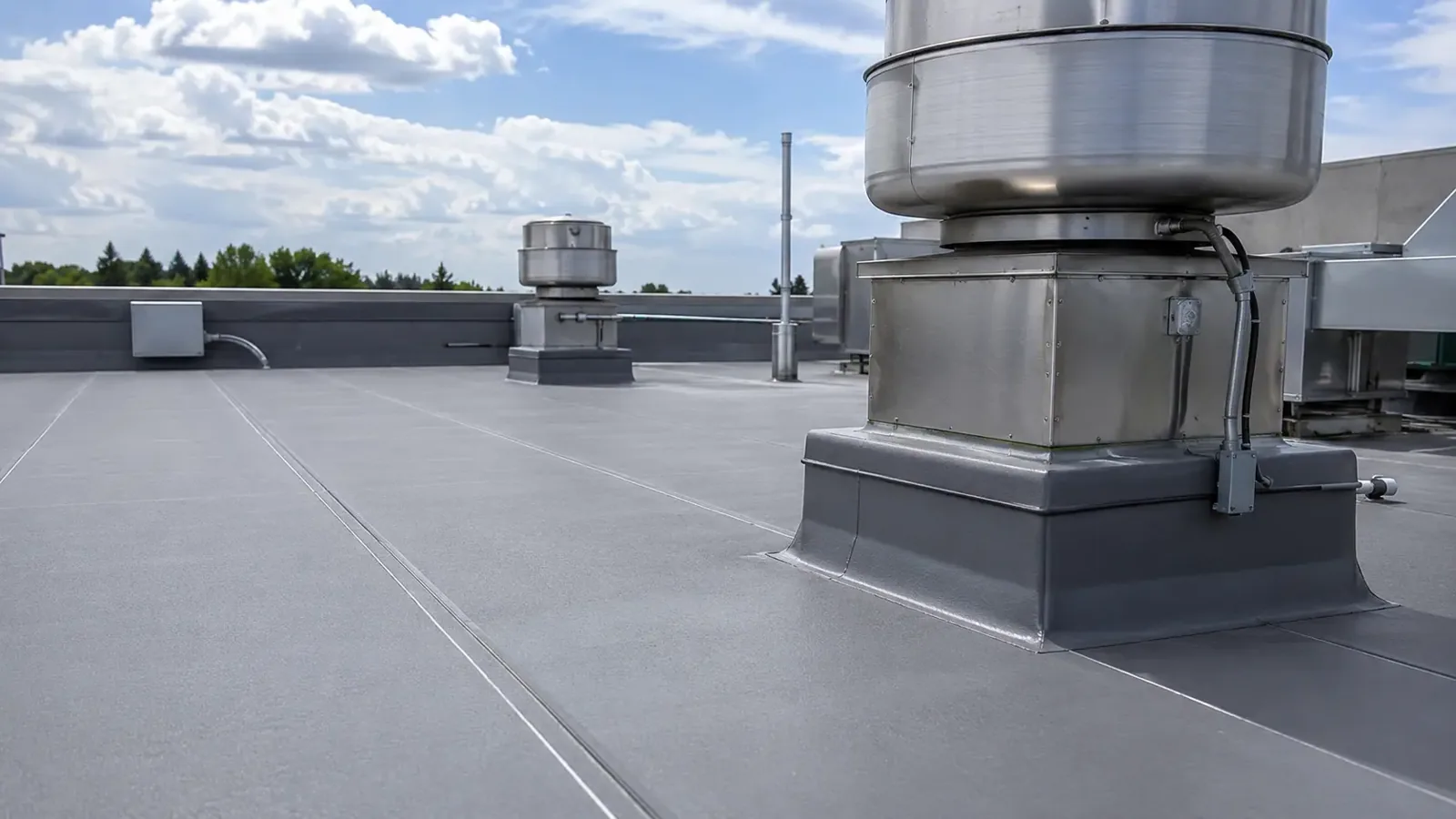
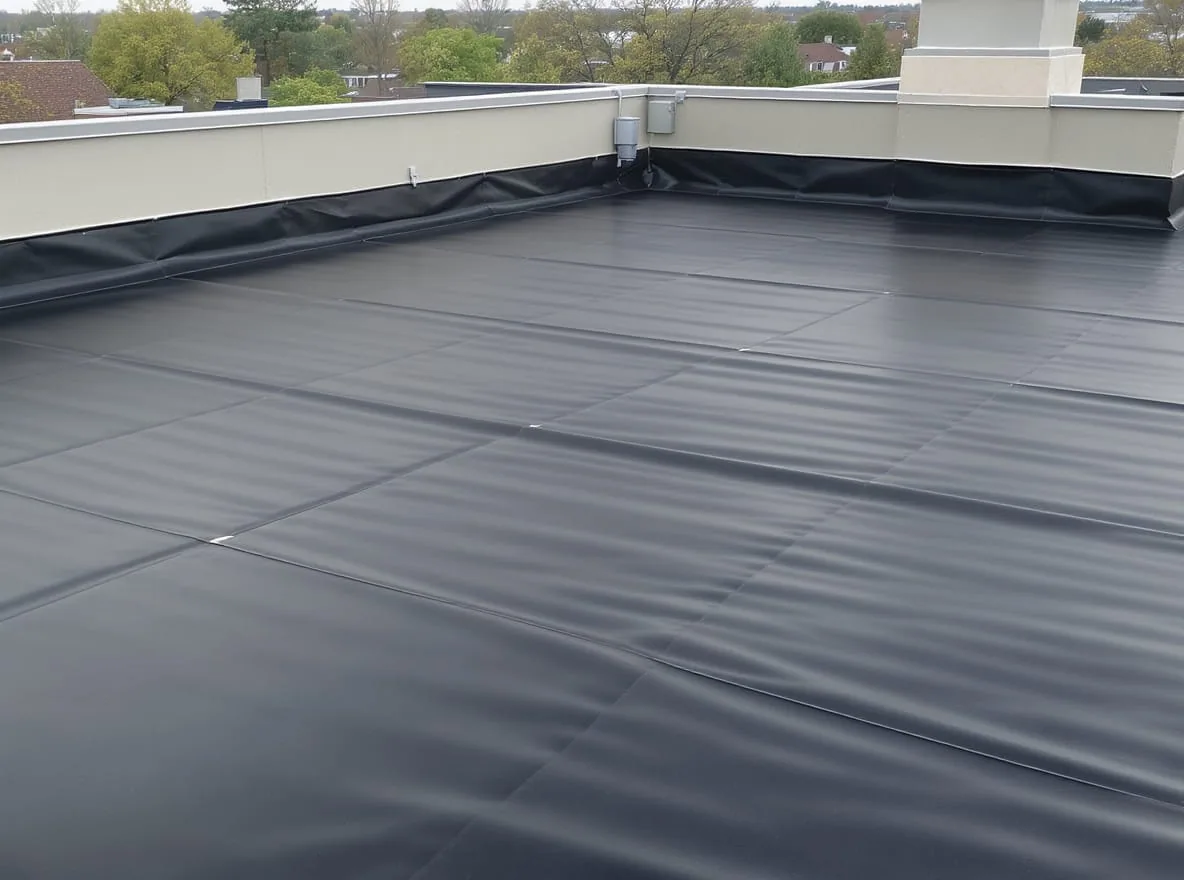
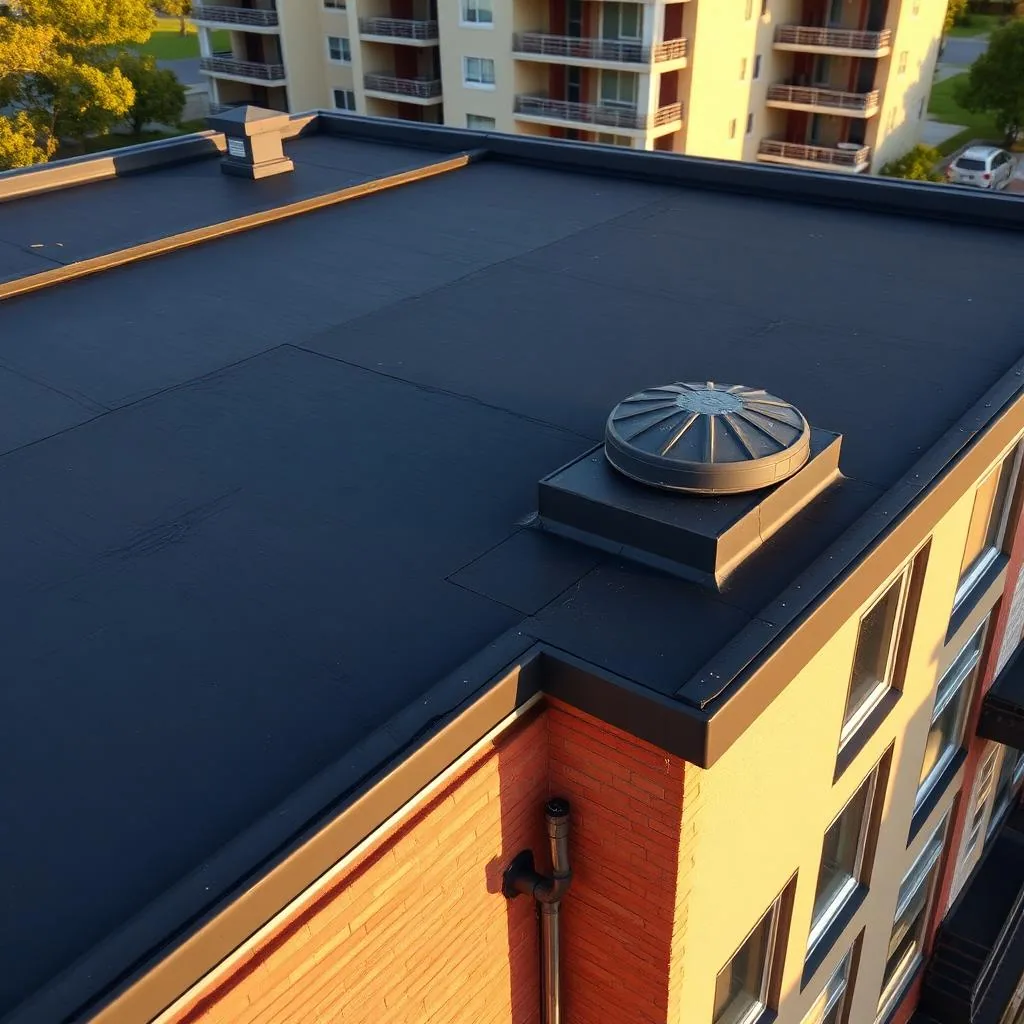
TPO, PVC, EPDM, and KEE each require compatible preparation and repair materials. We inspect laps, field seams, penetrations, curbs, and prior patches, then test the method suited to the installed sheet. A repair scope records the roof zone and tie-in boundary rather than assuming that similar colors mean similar materials.
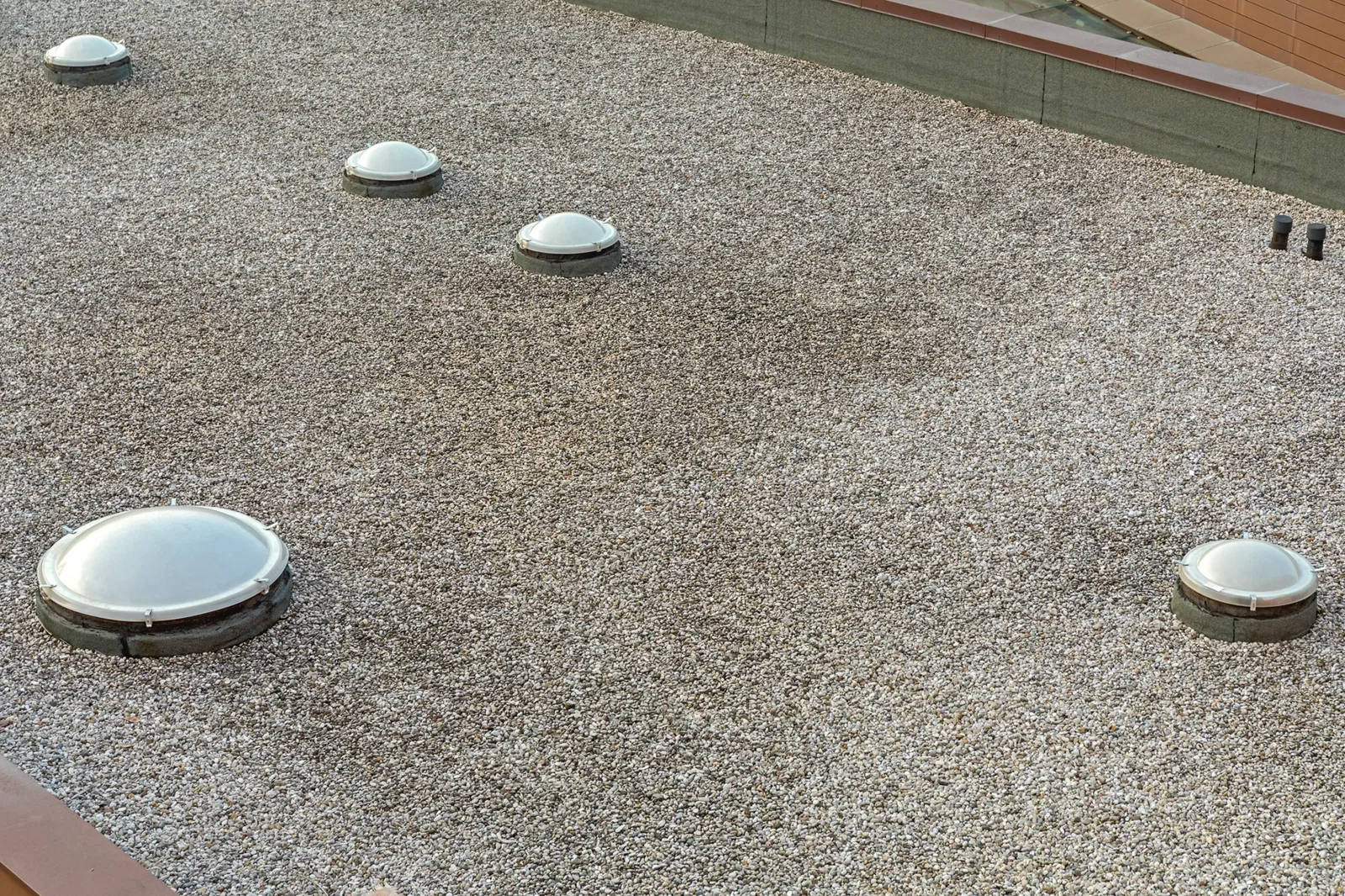
Modified bitumen and built-up roofing have their own surfacing, ply, and flashing details. We check blisters, splits, transitions, drains, and the condition of material surrounding the defect. If moisture may extend below the surface, the owner receives a proposed test area before it changes the repair quantity. Stafford’s U.S. 90A commercial history and Sugar Land’s industrial and office inventory describe varied property settings, not a shared roof assembly.
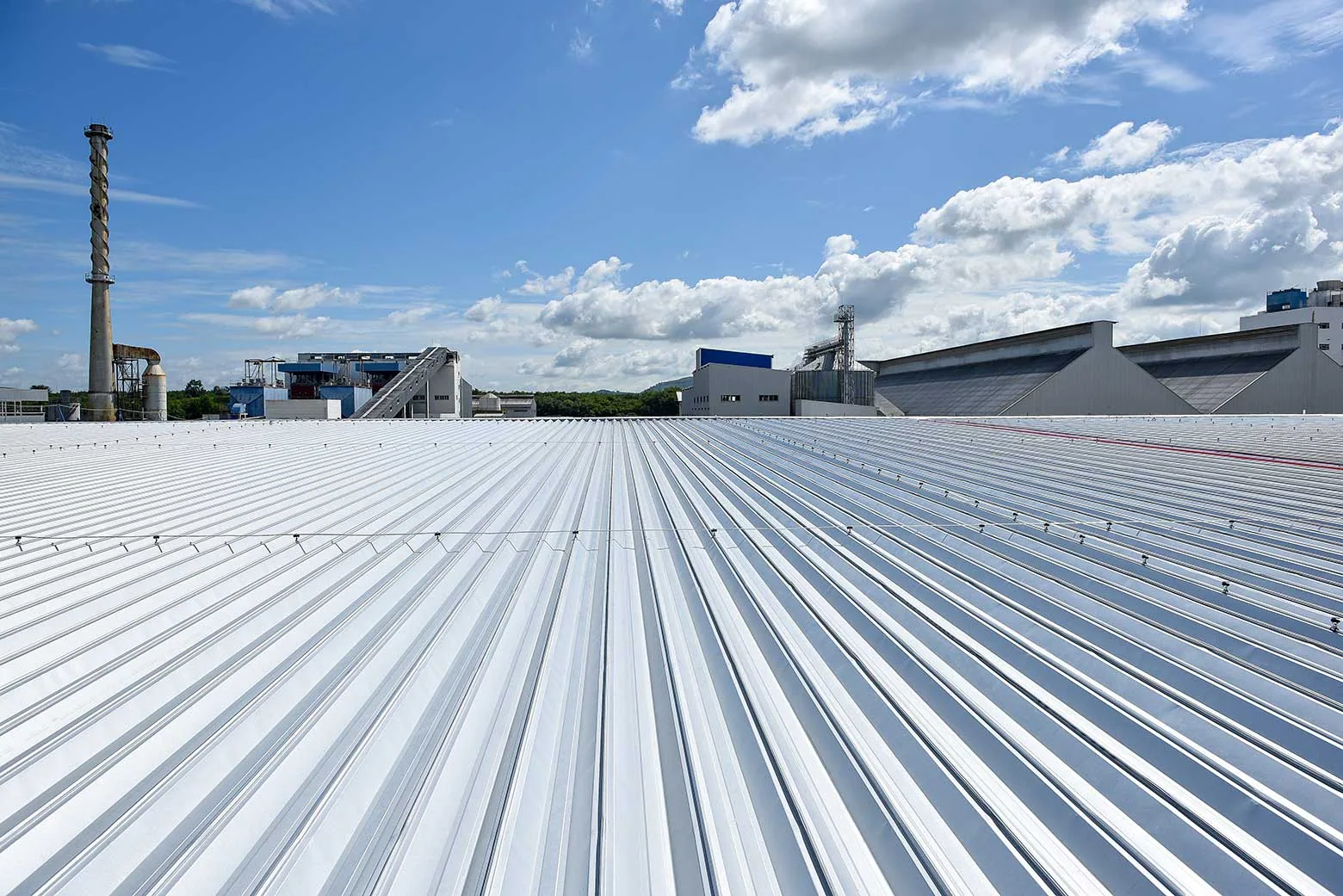
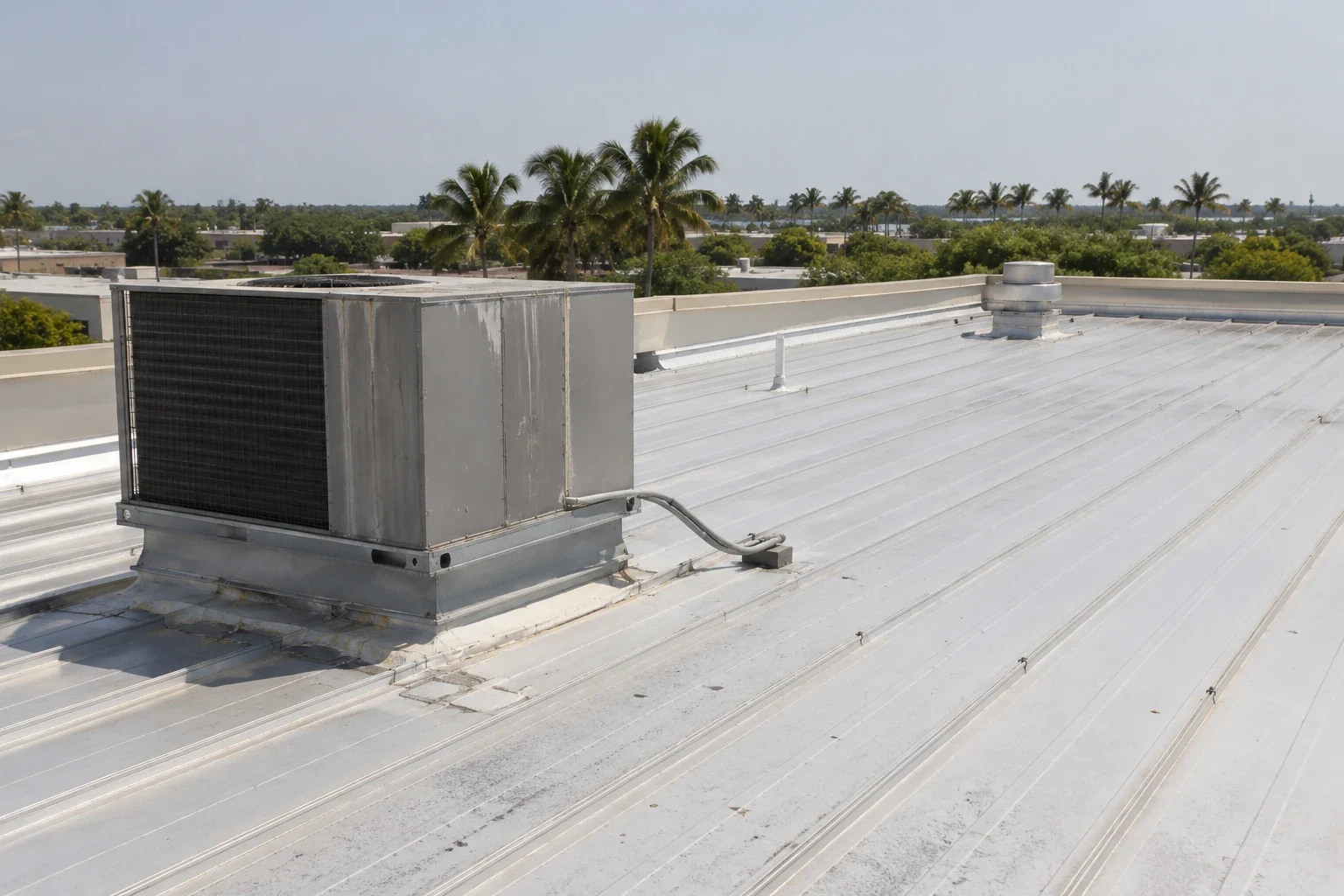
Standing seam metal and metal retrofit work begins with panels, fasteners, laps, penetrations, and drainage movement. Silicone or acrylic coatings require a suitable substrate and surface preparation. We check adhesion, wet insulation, edge condition, and drain transitions before pricing a restoration. A coating does not correct a wet or loose assembly by covering it.
Missouri City’s hot, humid climate and substantial rain make surface readiness and drainage critical to a lasting detail. We record roof condition, access limits, and the workday weather window before opening an area. The owner can compare a localized repair with recover or replacement quantities, including removal, insulation, edges, equipment curbs, and protection below. Any concealed condition remains an approval point before scope expands. Park 8 Ninety and CityPark Logistics Center are distinct local commercial areas; their properties receive individual assembly checks. Compare substrate, attachment, drainage, edge details and maintenance horizon before selecting a system.
Often a field detail or record is needed. We check exposed edges, fasteners, seams, surfacing, and prior repairs before selecting compatible materials.
No. The substrate, moisture, adhesion, drainage, and existing materials control whether a coating is suitable. We inspect those conditions before describing restoration as an option.
It should state preparation, material, attachment, insulation, edge details, access, and closeout checks. We compare those quantities with the confirmed repair boundary and unresolved conditions.
For commercial roof systems, Houston's wet, hot season calls for surface checks.